
Preserving Como’s Curva Ovest: POSTO and the Stadio Giuseppe Sinigaglia
Few clubs have undergone a transformation as rapid and wholesale as Como 1907. Less than a decade on from bankruptcy and the abyss of Serie D, the club will this week host Manchester United in their first ever Champions League campaign.
The coveted work of Cesc Fabregas and their silky style of play not only befits their new status as a globally recognised brand, it has also challenged the status quo without the ostentatious spending of a nouveau riche club.
Critics point to the Disneyfication of a project very much in the mould of modern football: a ruthless ascent through the divisions that collides with the values of Calcio culture.
But the humble Stadio Giuseppe Sinigaglia, on the shores of the lake, acts as de facto backstop to the hypercharged expansion we’ve seen with moneyed owners in other parts of Europe. With a regular capacity of just over 13,500, the stadium, and by extension the club, has managed to retain a localised sense of charisma and mystique.
For supporters of Como, therein lies the tension: enjoying the fruits of success without eroding the culture.
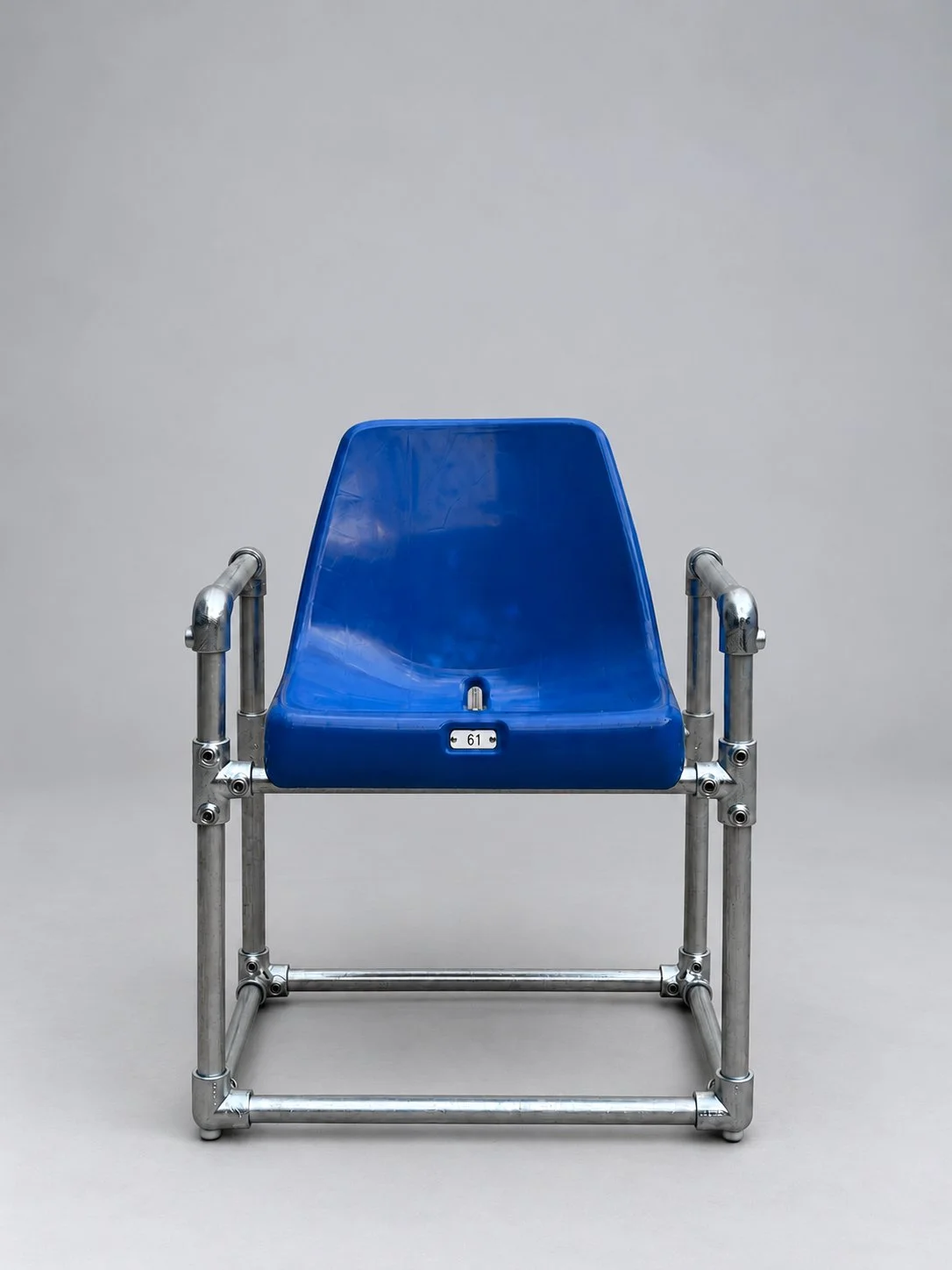
It was in the spirit of that transformation, and the inherent desire to preserve tradition in the face of it, that POSTO, a project by fan and architect Filippo Brambilla, was born.
“The most exciting challenge [for Como] is to keep growing internationally while preserving this connection with the club’s history, its supporters, and the city itself,” Filippo tells TCD. “POSTO comes from this idea: looking towards the future without losing the memory of the past.”
The club’s historic qualification for the Champions League was the catalyst for the project.
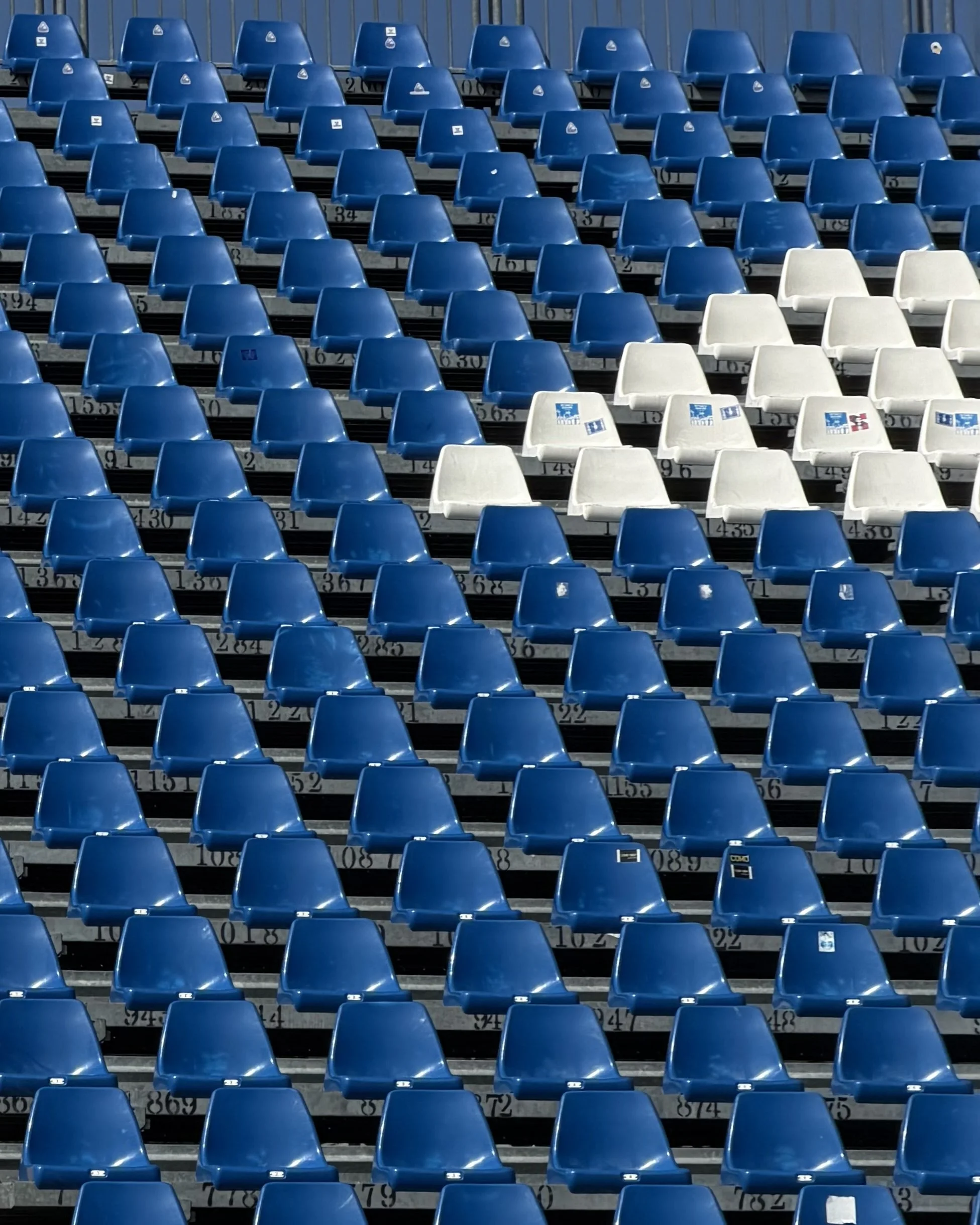
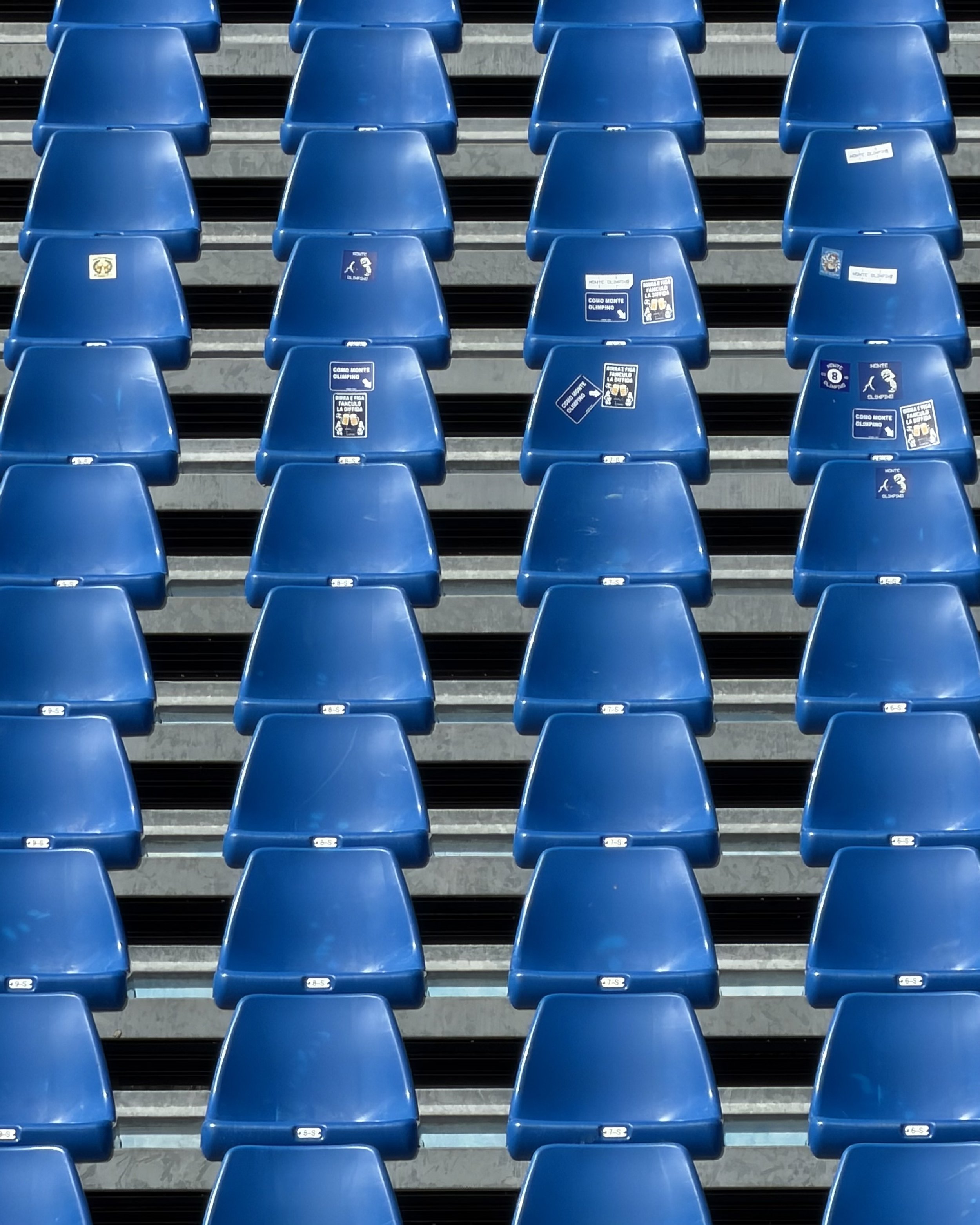
To meet UEFA requirements, the Sinigaglia’s Curva Ovest stand, a temporary structure made from tubular steel, was dismantled just days after the final home match of the season, making way for a new, concrete stand in its place.
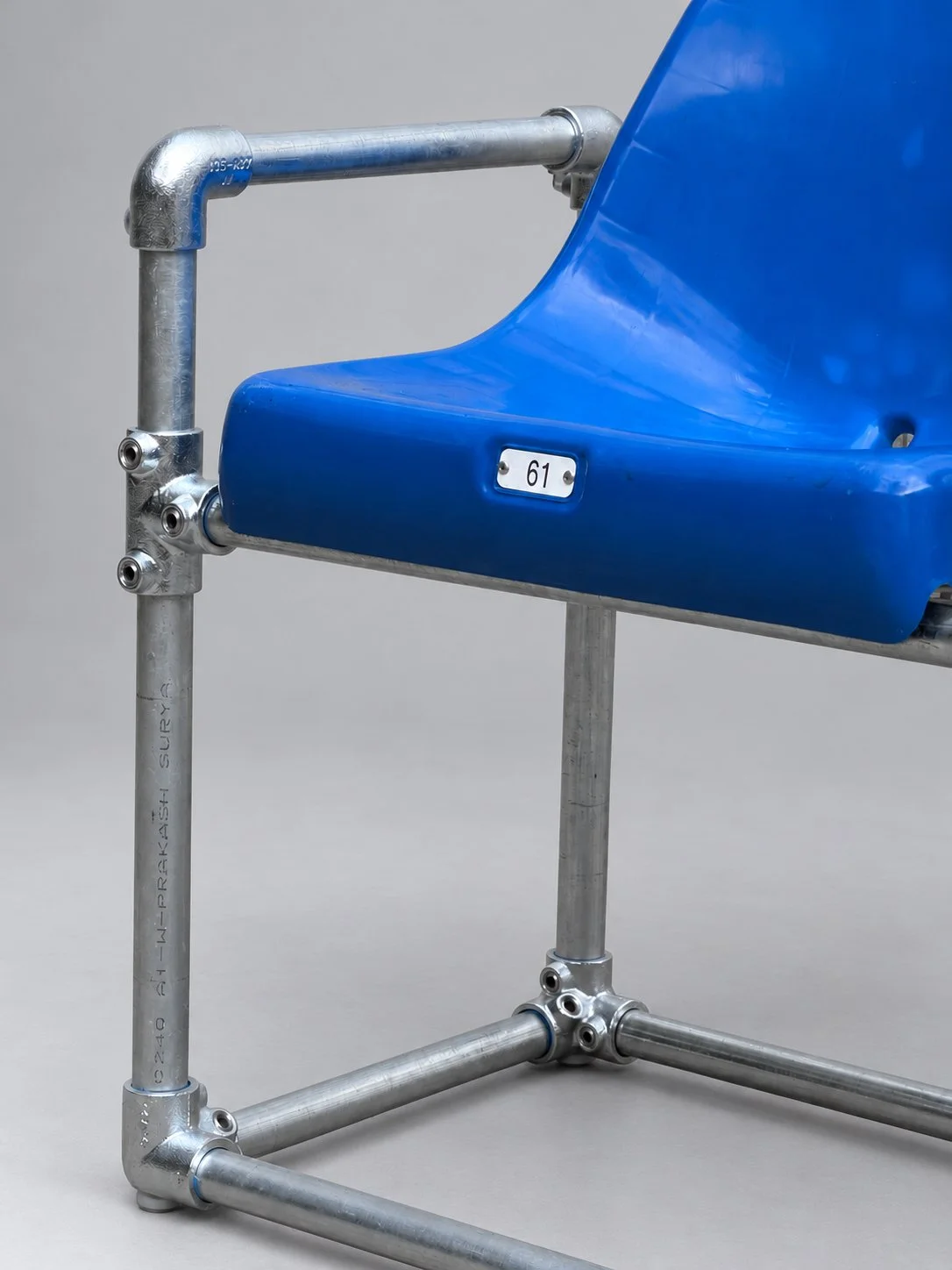
“I decided to buy one of the original seats [of the dismantled stand] because I liked the idea of preserving a small fragment of the stadium. I began to wonder how it could continue to exist without simply becoming a piece of memorabilia.”
An architect by profession, Filippo describes a natural curiosity for observing buildings, objects and constructions, finding their aesthetic or structural value, and interpreting them outside of their core function.
That curiosity is what turned a simple object into an act of celebration, and a fragment of the stadium into a piece of design.
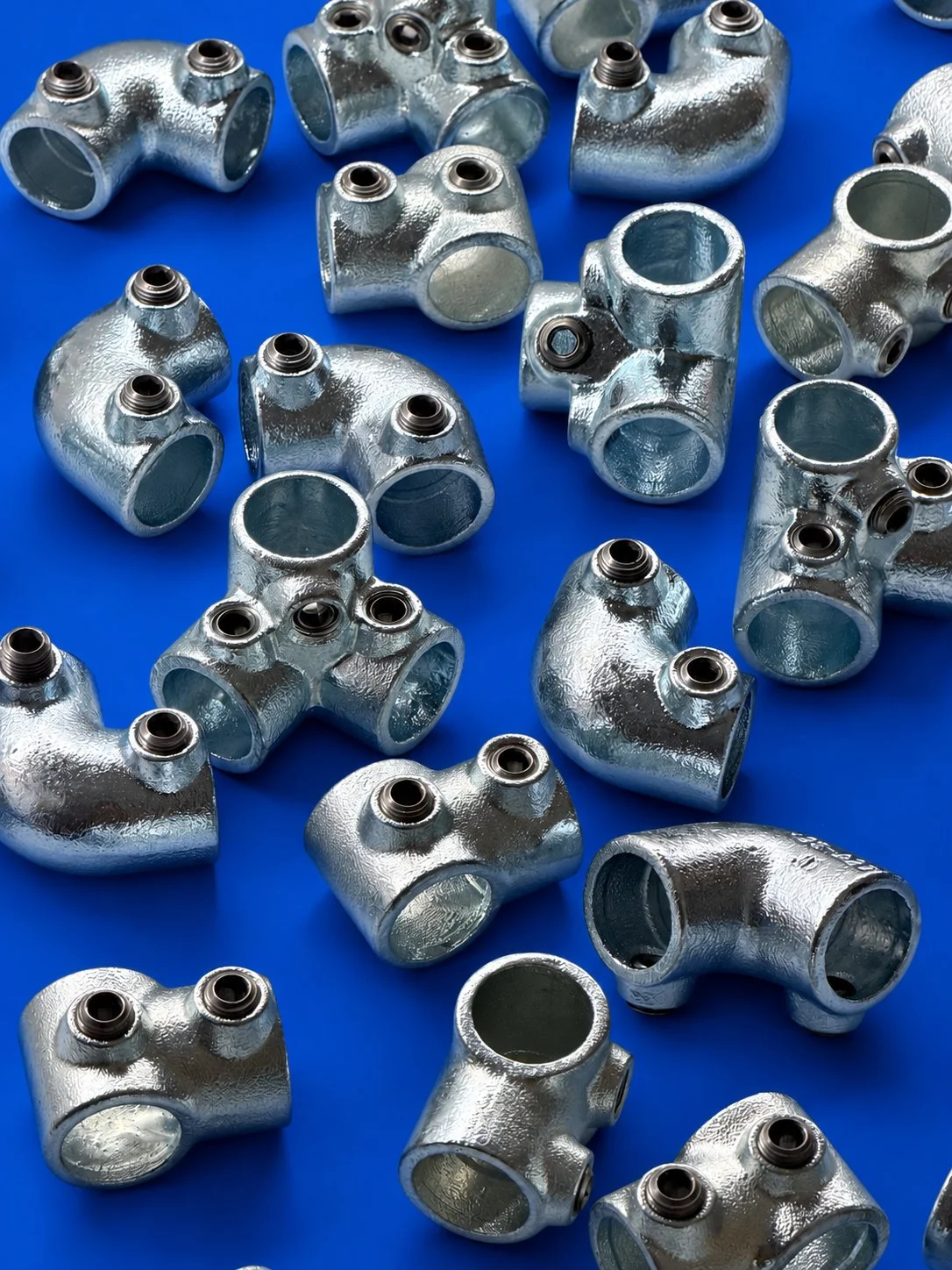
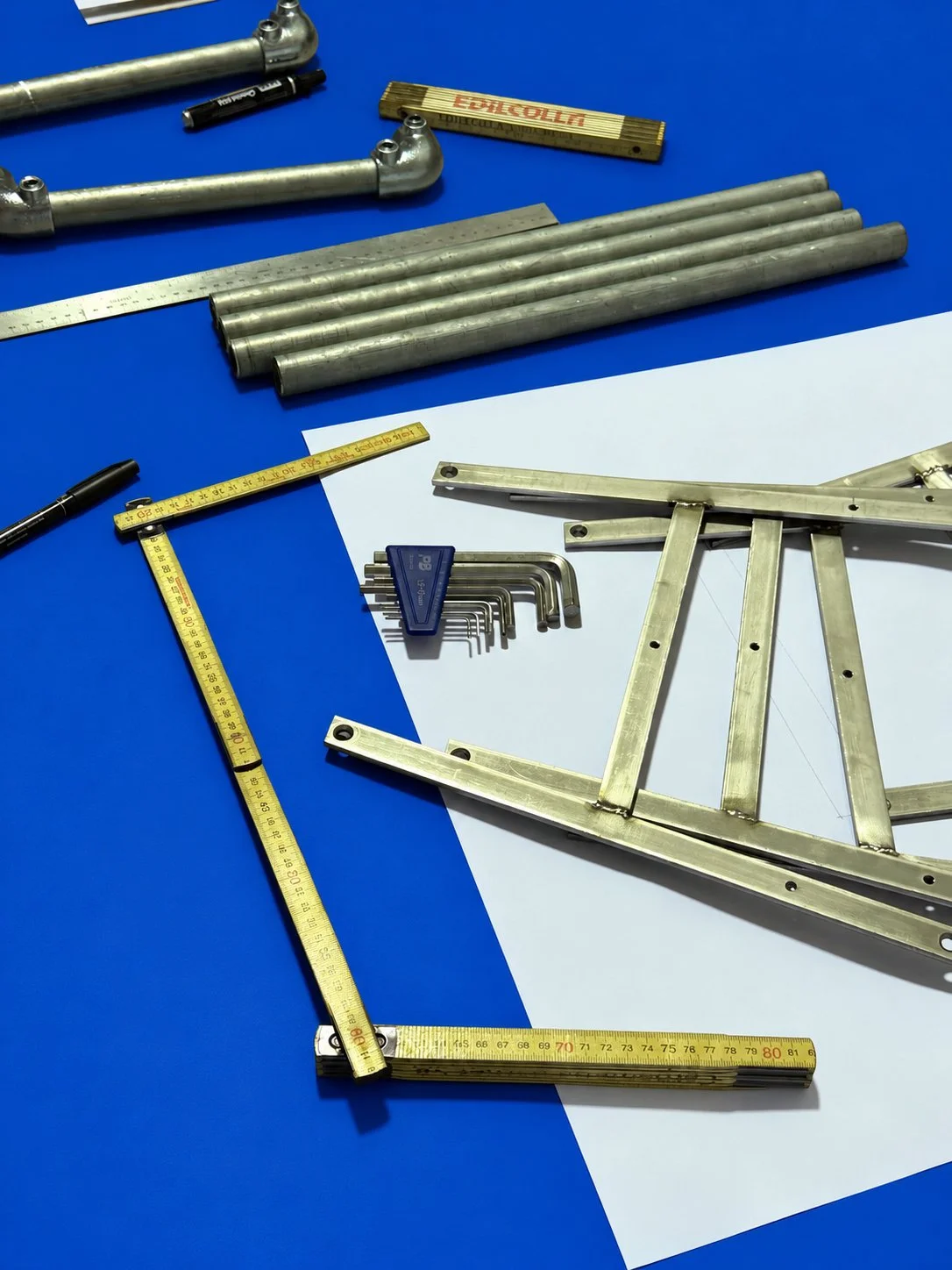
“I’ve always been fascinated by the industrial logic of stadium stands, built through repetition and assembly of very simple elements. That’s why I chose to support the original seat with a structure made from metal tubes and scaffolding joints, maintaining a technical and functional language that reflects the infrastructure the seat originally belonged to.”
The form has changed, but the functionality, and crucially for Filippo, the emotional weight of the seat remains.
“A stadium seat is a very simple, almost anonymous object when repeated hundreds of times across a stand,” he explains. “But for whoever sits in it, it holds countless memories.”
The unique beauty of the seat design is not only a creative reimagining of an otherwise mundane object, but it’s a window into our relationship with the places we attach ourselves to as supporters, and reinforces the spirit of football is a communal endeavour, to be watched and enjoyed with others. In that sense, stadiums taken on divine meaning.
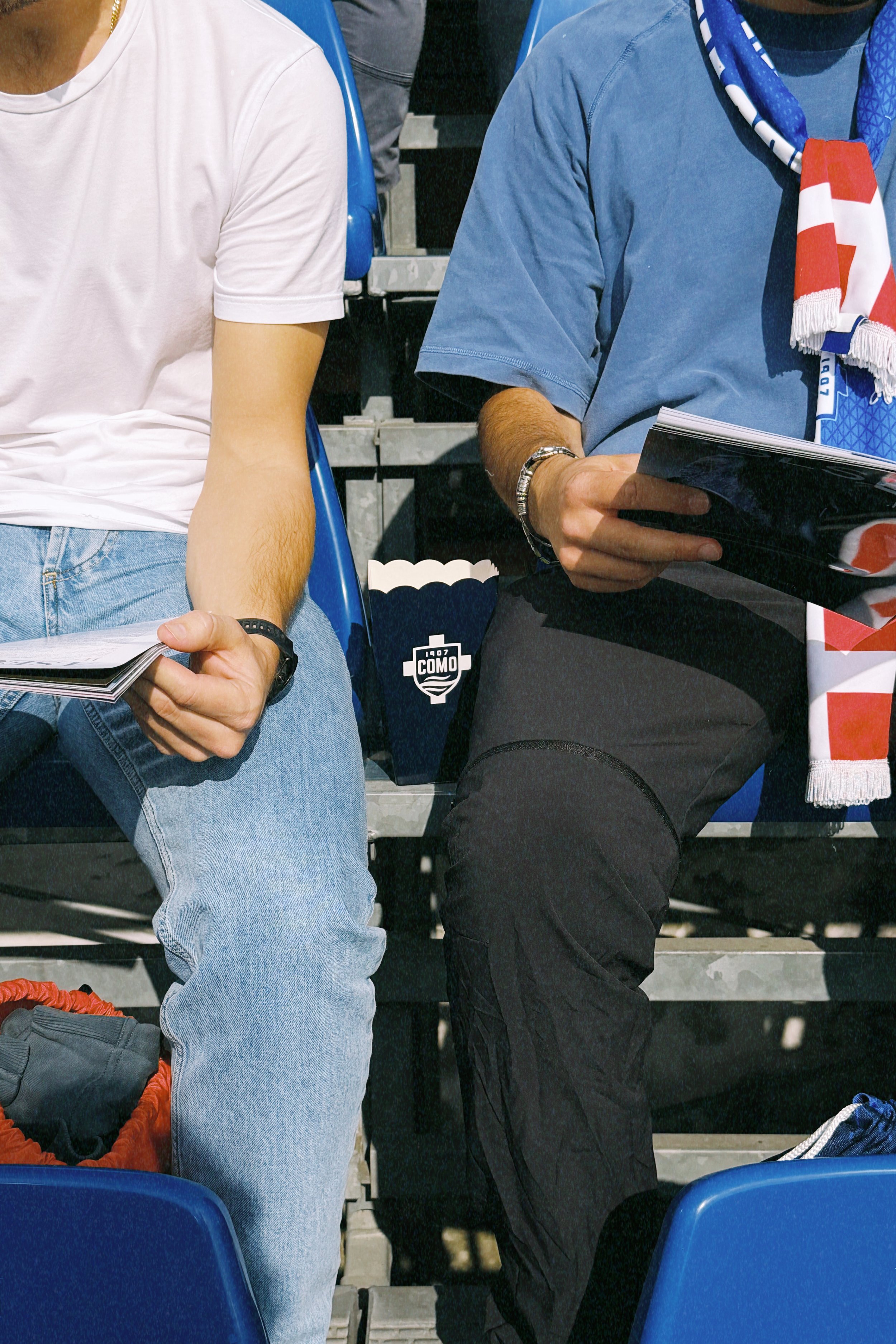
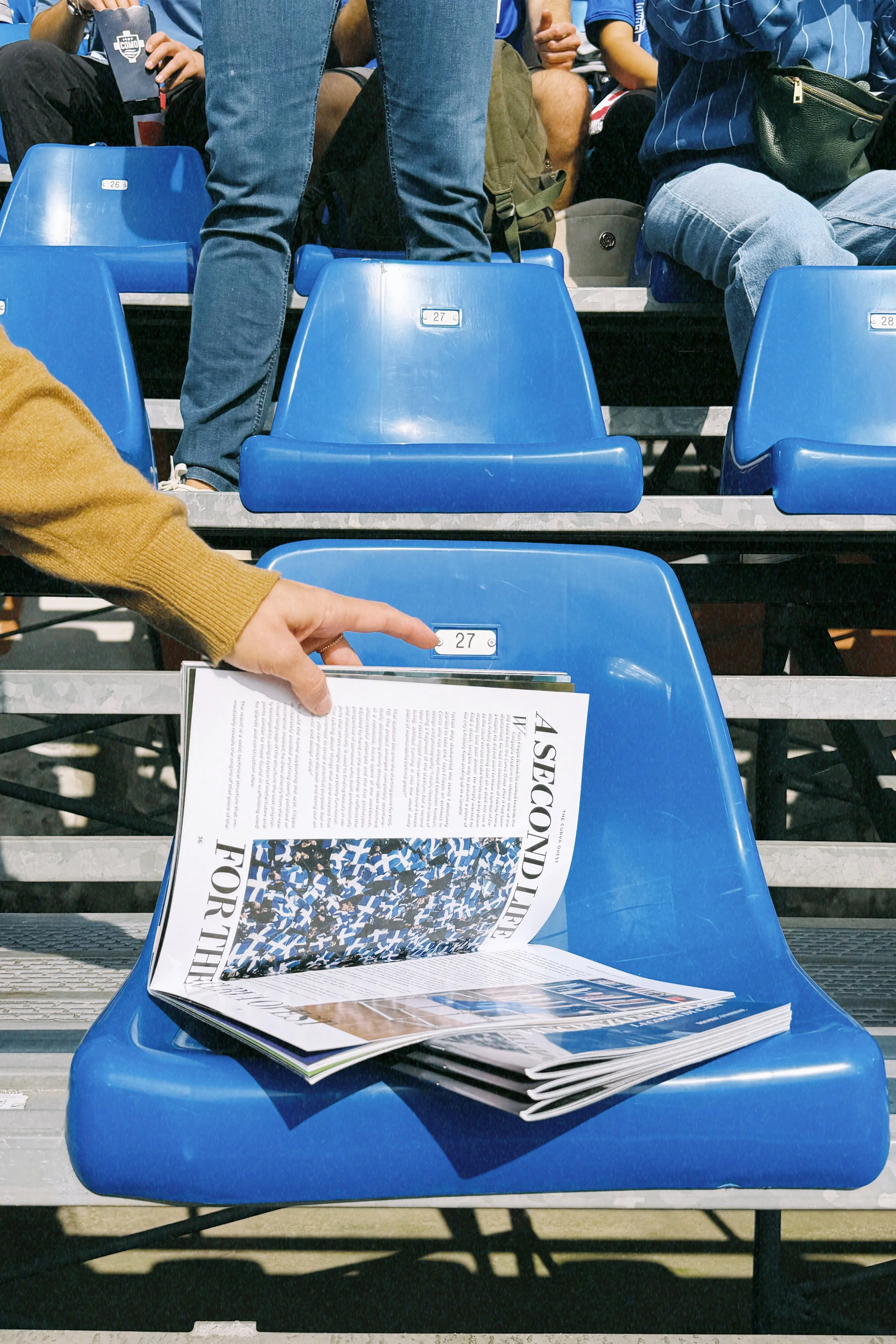
“I’ve always been fascinated by stadiums,” Filippo expands. “They [football stadiums] have been described as the ‘secular cathedrals of our time’: structures capable of bringing thousands of people together around a collective ritual.”
Working with Wonderlake Como, the definitive guide to all things creativity and curation for the wider Lake Como milieu, Filippo was able to get to know the Sinigaglia in a more intimate way. Last season he hosted guided walking tours of the stadium, revealing its historical details and subtleties to visitors before matches.
The experience quickly became personal.
“Spending so much time at the stadium helped me rediscover a passion for football. Today, the Sinigaglia has become a special place for me, where my passion for architecture, my love of football, and my connection to Como all come together.”
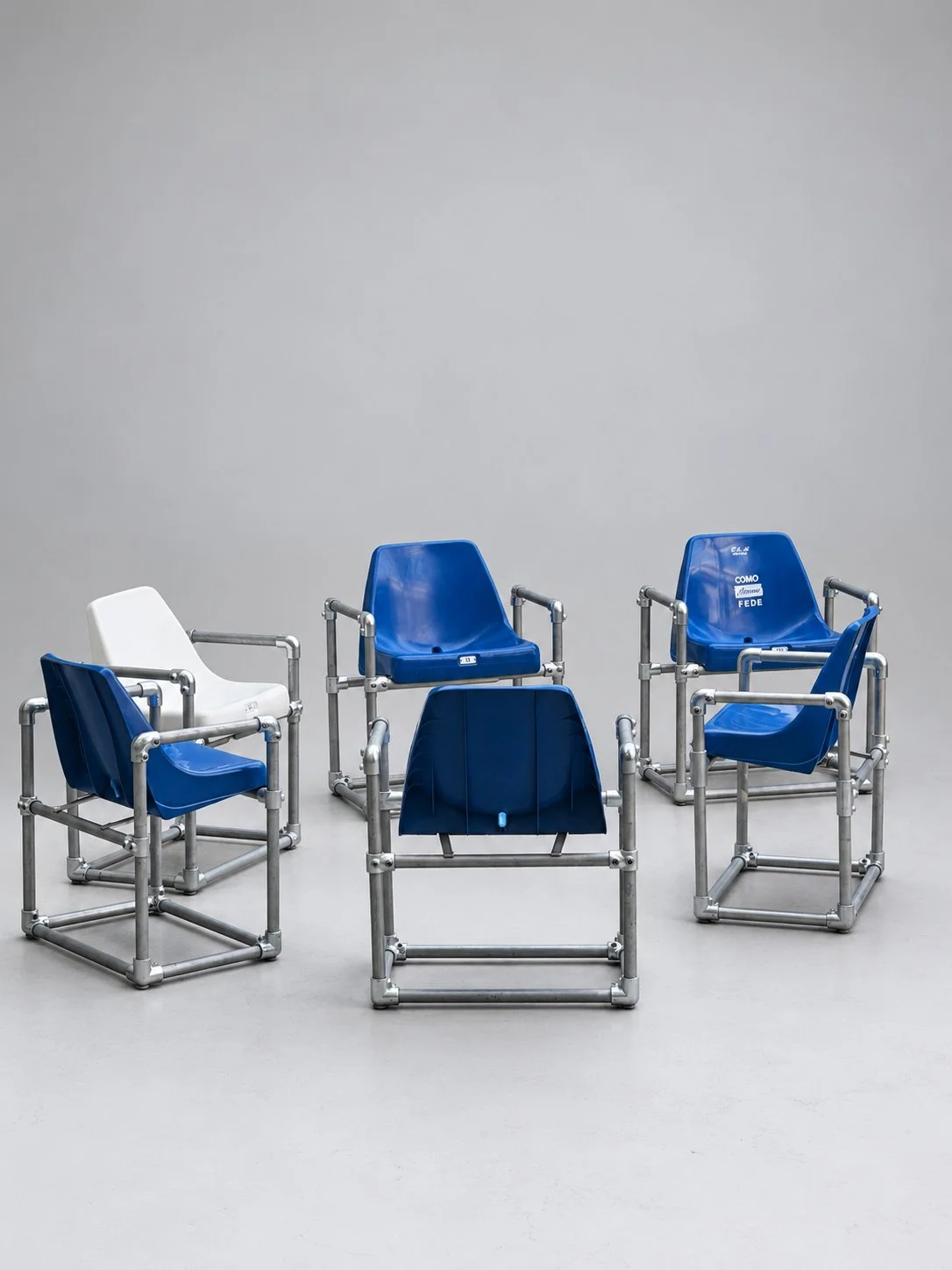
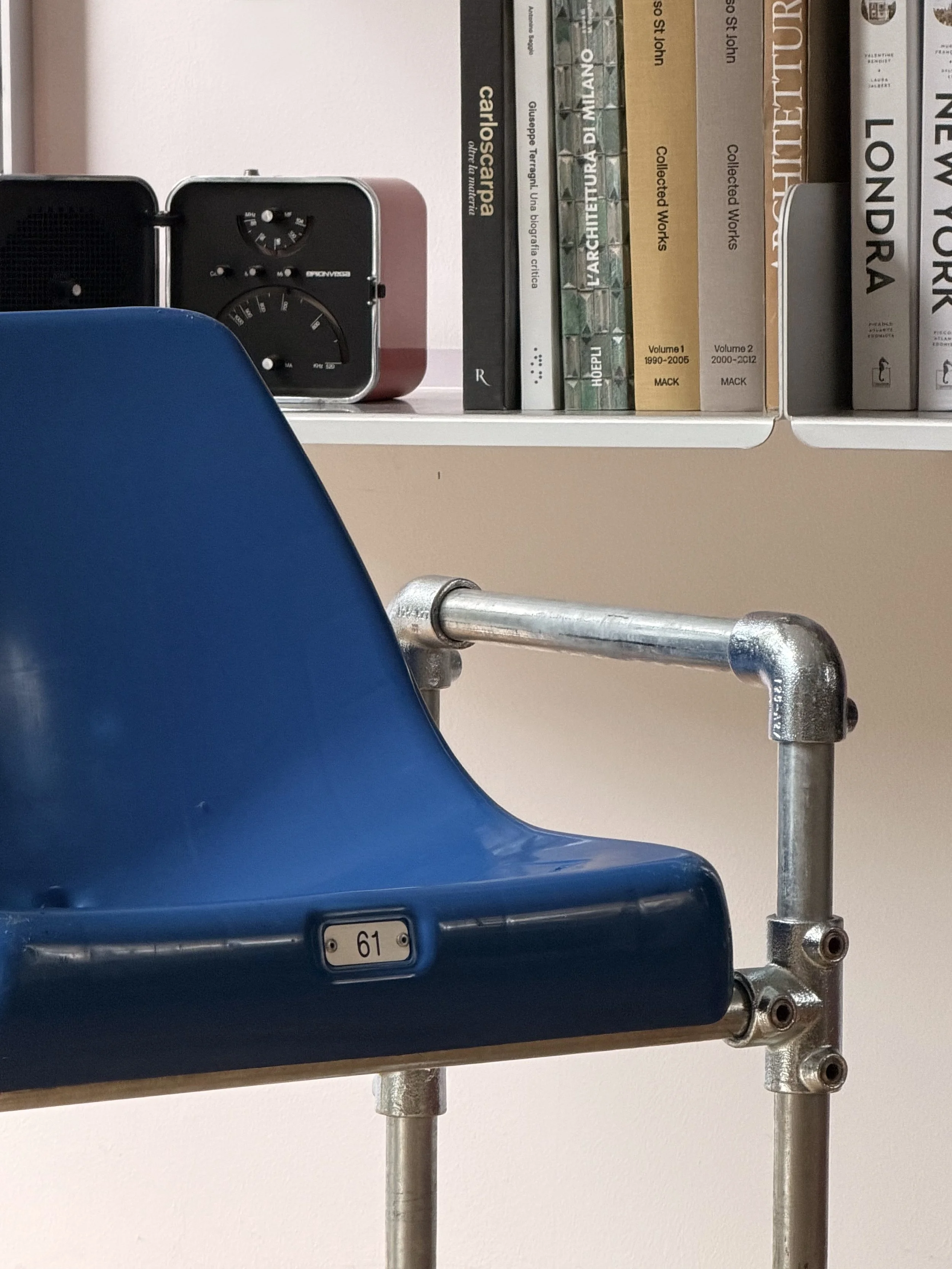
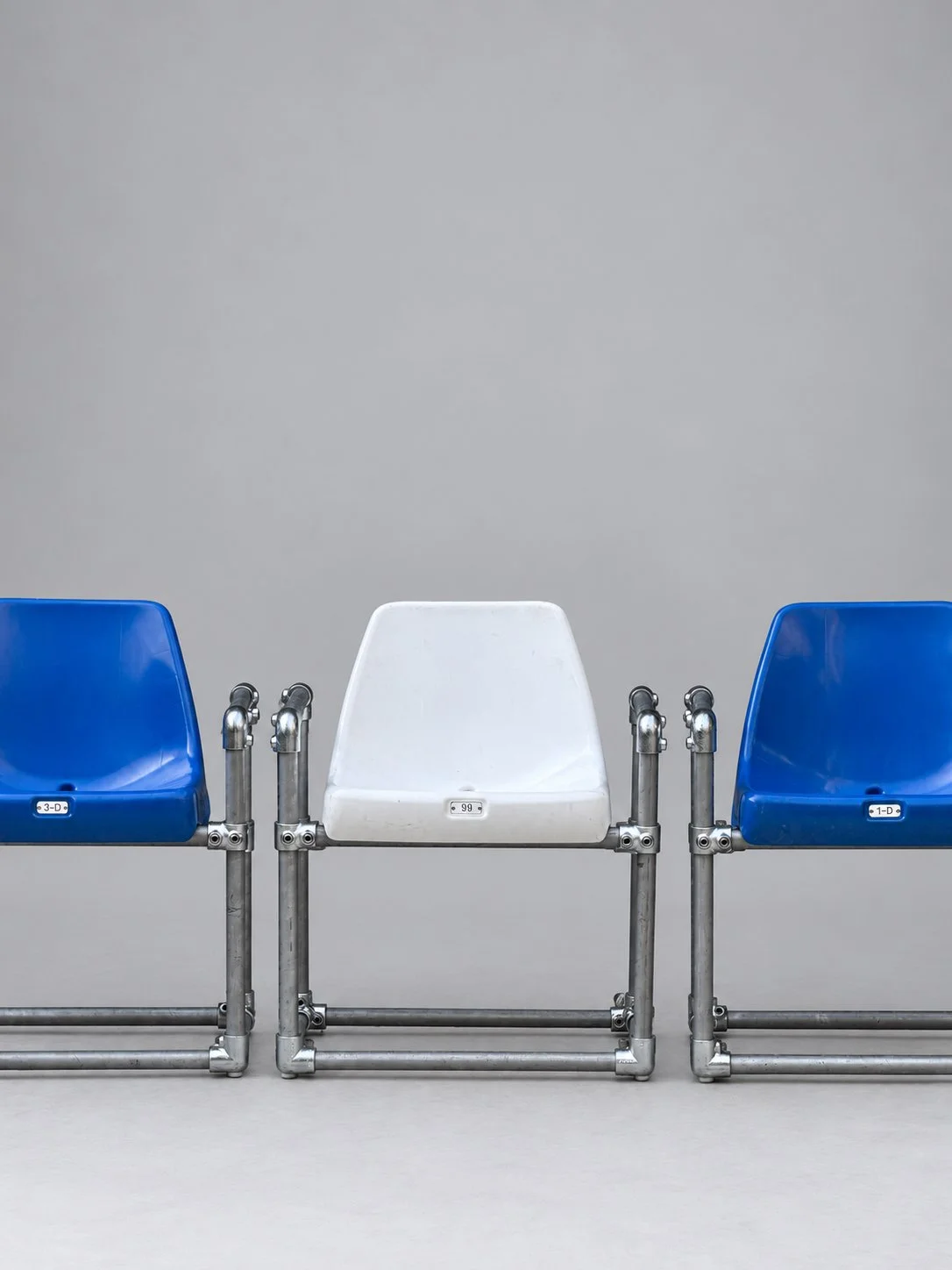
POSTO also serves as a reminder that progress usually has a price. Success necessitates change, and change is often difficult for supporters to accept. The Sinigaglia’s Curva Ovest is a symbol of that progress; from one state to another.
“It’s the duel nature of stadiums that I find so fascinating,” Filippo muses. “On one hand, they are concrete, function and rational structures. On the other, they are places filled with emotion, memory, and stories.”
As Como 1907 ascend higher and higher, it’s up to supporters, custodians and creative people like Filippo to find the balance between that duality: to celebrate and preserve in equal measure.
Visit the Instagram page of POSTO to follow Filippo’s journey.