
Gianni Infantino is flooding the zone
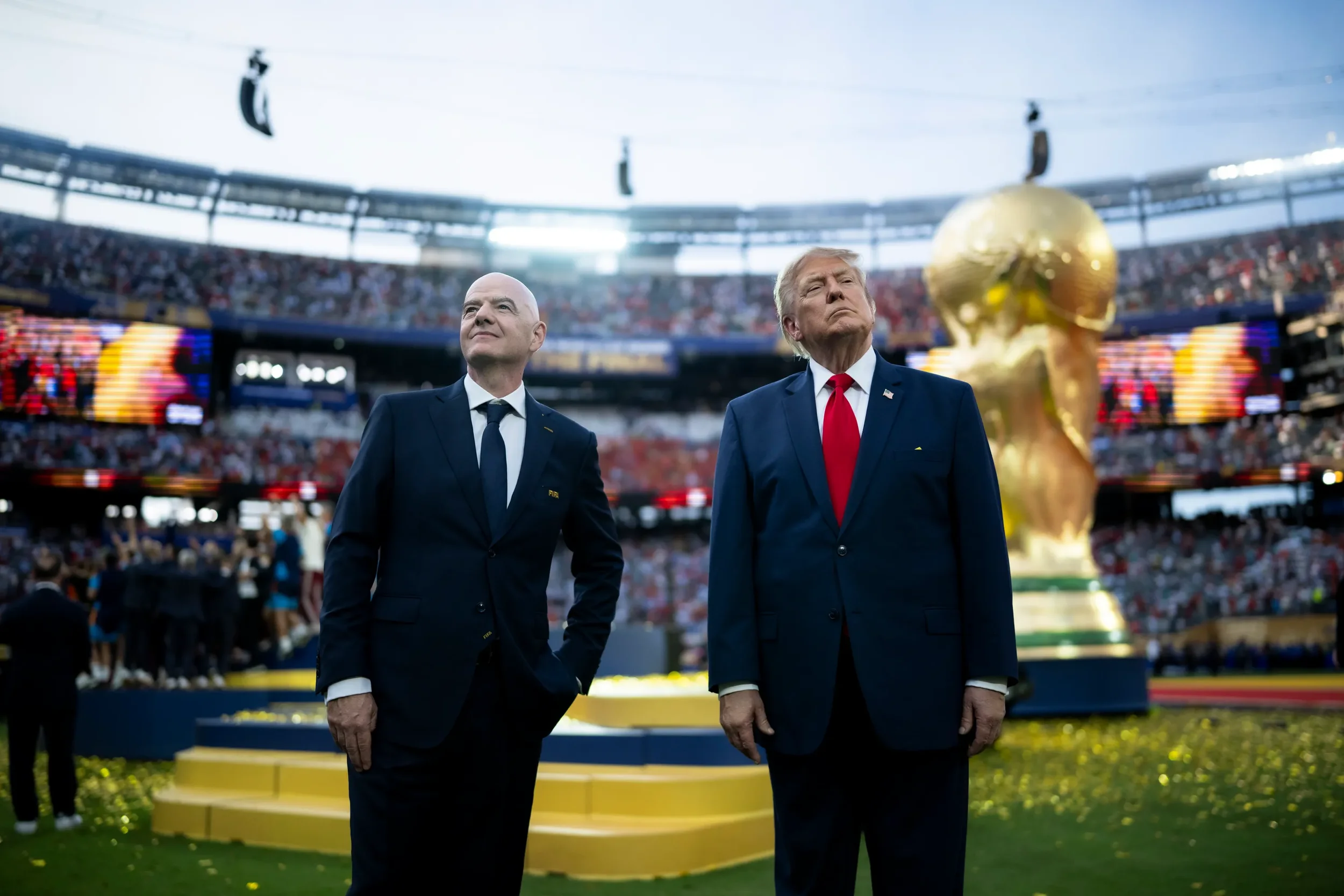
These are some facts: Gianni Infantino wants to privatise the World Cup. The plans, first reported by The Times, would see the creation of a $20 billion commercial vehicle that would be sold, at least in part, to private investors, giving them a sizeable chunk of both the men’s and women’s World Cup competitions, as well as the Club World Cup. Here are some more facts: Joshua Kushner, venture capitalist and brother-in-law of Donald Trump’s daughter, Ivanka, has been confirmed by FIFA as the proposed lead investor. That is, at least, if over half of FIFA association member states—a lower threshold than the usual 75%—vote through the plans before Gianni’s arbitrarily imposed deadline of September 19. Here are some final, parting facts: Those that do vote in favour of the plan will see their current $10 million scheduled disbursement increased to $40 million. For those that do not, sadly, no dice.
As later reported by Sky News, one of the first moves by FIFA, should the reforms be waved through, would be the launch of a World Cup spin-off venture. It expects to receive financing from private equity in the next 100 days. It’s difficult to believe that just last night, a robotic in-house media production by Infantino reiterated that this whole exercise was just a consultation process.
At times like these, it is important to be clear on the facts. In the days after the story broke, world football turned to righteous anger and widespread condemnation. UEFA, the English FA, the British Prime Minister and a number of other football associations were the most vociferous in their opposition. That is a good thing. ‘Football unites the world,’ is a FIFA slogan you will have seen at World Cup, across billboards and press conferences, between advertisements for Aramco and Gatorade. There’s a wonderful irony in there somewhere.
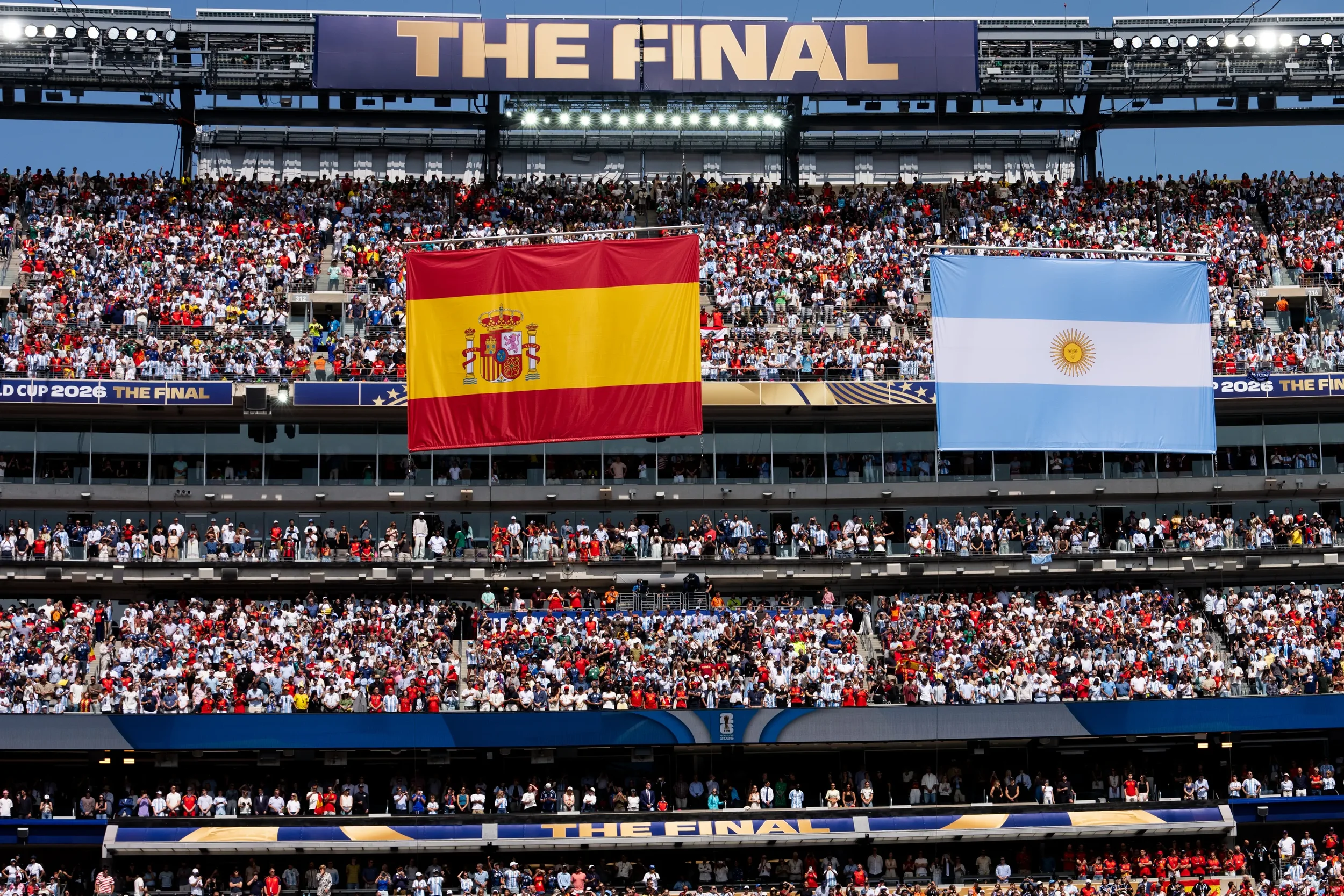
Gianni Infantino is not an unintelligent man. This fallout was entirely predictable. He knows that for all of Trump’s grandstanding about ‘one of the all-time greatest sporting events in history,’ he’s got a lot of making up to do. He was already on the back-foot; a number of associations, particularly those who had to endure this World Cup under strict travel bans and outright discrimination on the part of the central host nation, feel aggravated that Infantino did little to stand up for them. It’s difficult to argue that case with a $40 million carrot dangling in front of you.
The image of Infantino as a party apparatchik, a droid in white trainers, administering competitions and posing for selfies with ex-players, is an artful decoy mechanism. His words aren’t punchy; he is as devoid of charisma as he is any central defining characteristic. He is water. The most dangerous men have always thrived by gambling on people’s complacency. Infantino is no different.
But he’s also more than a gambler. He’s a sponge, a chameleon. He’s spent the past decade courting the most powerful people in the world, from Saudi royalty to American finance moguls. His proximity to Trump and the wider administration has been the most coveted relationship in his repertoire. And finally, he’s showing a return on that investment.
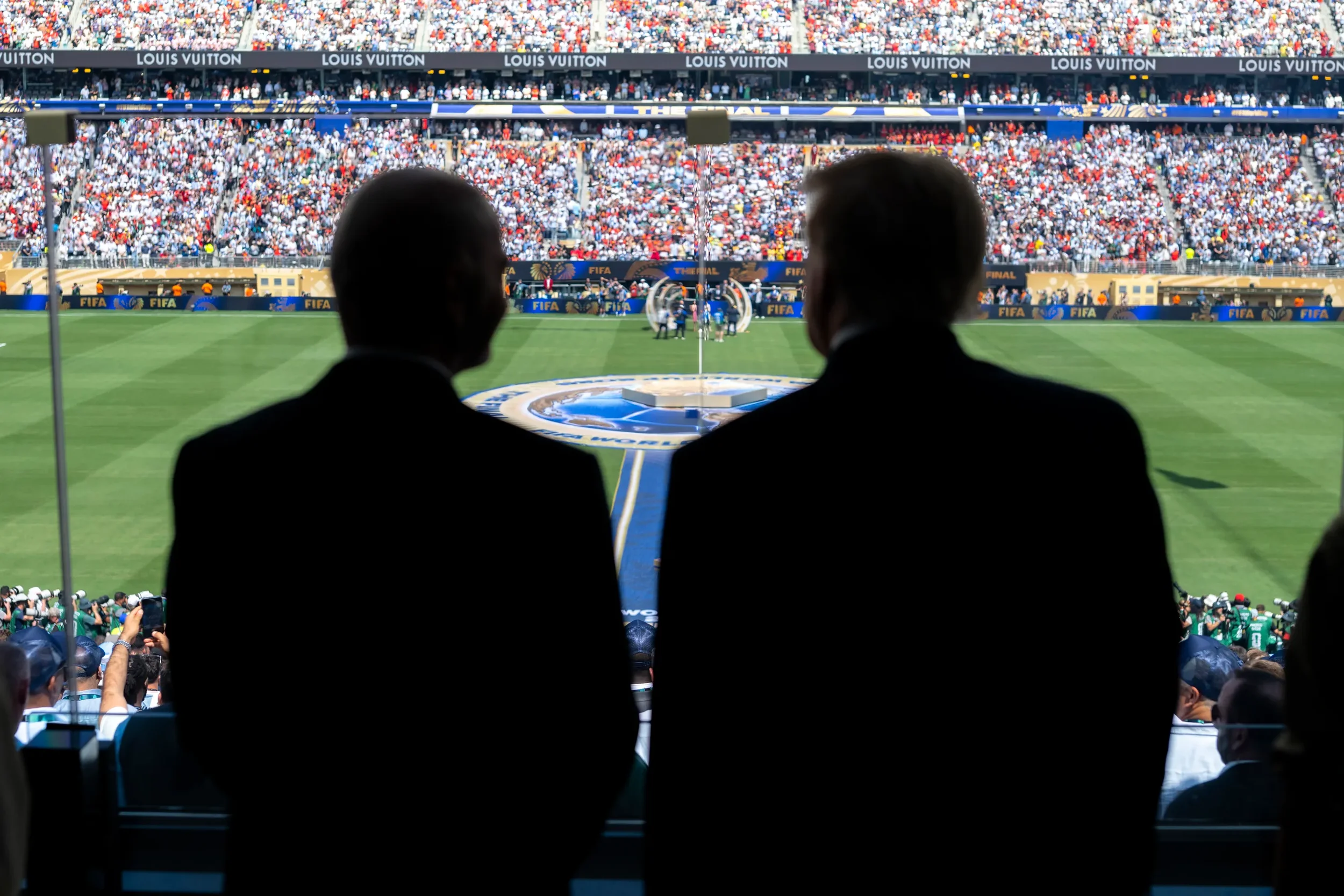
Like Tom Ripley trying on Dickie Greenleaf’s jacket and shoes, Infantino is aping Trump at every turn. His modus operandi is remarkably similar. Flood the zone. Crowd out the noise with endless controversy and ideas and soundbites. The media will never keep up. By fuelling endless outrage, in a way, you neutralise it. This World Cup has been a standout example: Trump’s intervention to suspend Folarin Balogun’s red card ban; the denial of an Omar Artan’s visa by virtue of his country of origin; obscene ticket pricing; the disgraceful treatment of the Iranian national team; the ghastly commercial-hydration breaks. Any single one of these instances would be tournament-defining elsewhere, as the military dictatorship in 1978 came to be for Argentina, or how the treatment of migrant workers came to define Qatar in 2022.
Another of Trump’s tactical edges is overpromising. It’s The Art of the Deal; ask for more than you want, then make a palatable compromise. Is that Infantino’s play here? We know he wants a 64-team World Cup, ideally to be held every two years. Is that the end goal? If we learned anything from the Super League in 2021, and the subsequent climbdown, it was that a single proposal in isolation is easy to defeat. Fans could mobilise against a unifying enemy. The Super League died a death on the Fulham Road outside Stamford Bridge. But what are we rallying against here? Selling off the World Cup? Aren’t they already doing that? Those shadowy margins of uncertainty are where men like Infantino operate with devastating precision.
Weaponise loyalty. Attack and escalate. Claim victory regardless of outcome. Deny, deny, deny.
These lessons, imparted to a young Donald Trump in the 1980s by his lawyer and confidante, Roy Cohn, have found their way into Infantino’s box of tricks. His post-World Cup message, delivered again via Instagram (note the preference for social media as a communications tool), was a pious swipe addressed to ‘those behind their screens, spreading hate and rumours.’ Infantino is the subject of a complaint by FairSquare and the International Olympic Committee. He’s been requested by House Democrats to appear before Congress, under scrutiny of his ties to Trump. But for men like Trump and Infantino, these are badges of honour, stamps of approval. It means the method is working.
No matter how UEFA—who are ready to position themselves as the rebel alliance—choose to mobilise, one fears the fault lines are already too deep. Even if the European nations manage to lead a campaign that defeats this proposal, it will likely be a Pyrrhic victory. The chasm between those who can afford to oppose, and those who can’t, will be irreconcilable. And here is where Infantino applies perhaps the most foundational of all of Trump’s teachings: divide and conquer.
The one hope that can emerge from this story is the idea of a complete teardown and rebuild. FairSquare’s Reboot FIFA campaign has argues that football’s governing body has a ‘deeply flawed governance model’ and that it ‘cannot be fixed from within.’ That opportunity, in a strangely paradoxical way, feels more tangible than ever.
There will be more layers to this story. More letters to associations. Additional ventures to commercialise, synergise, optimise. Expect more jargon and more doublespeak. It’s all part of the game.