
Inside Kazakhstan’s most notorious hooligan group: TCD meets Jake Hanrahan
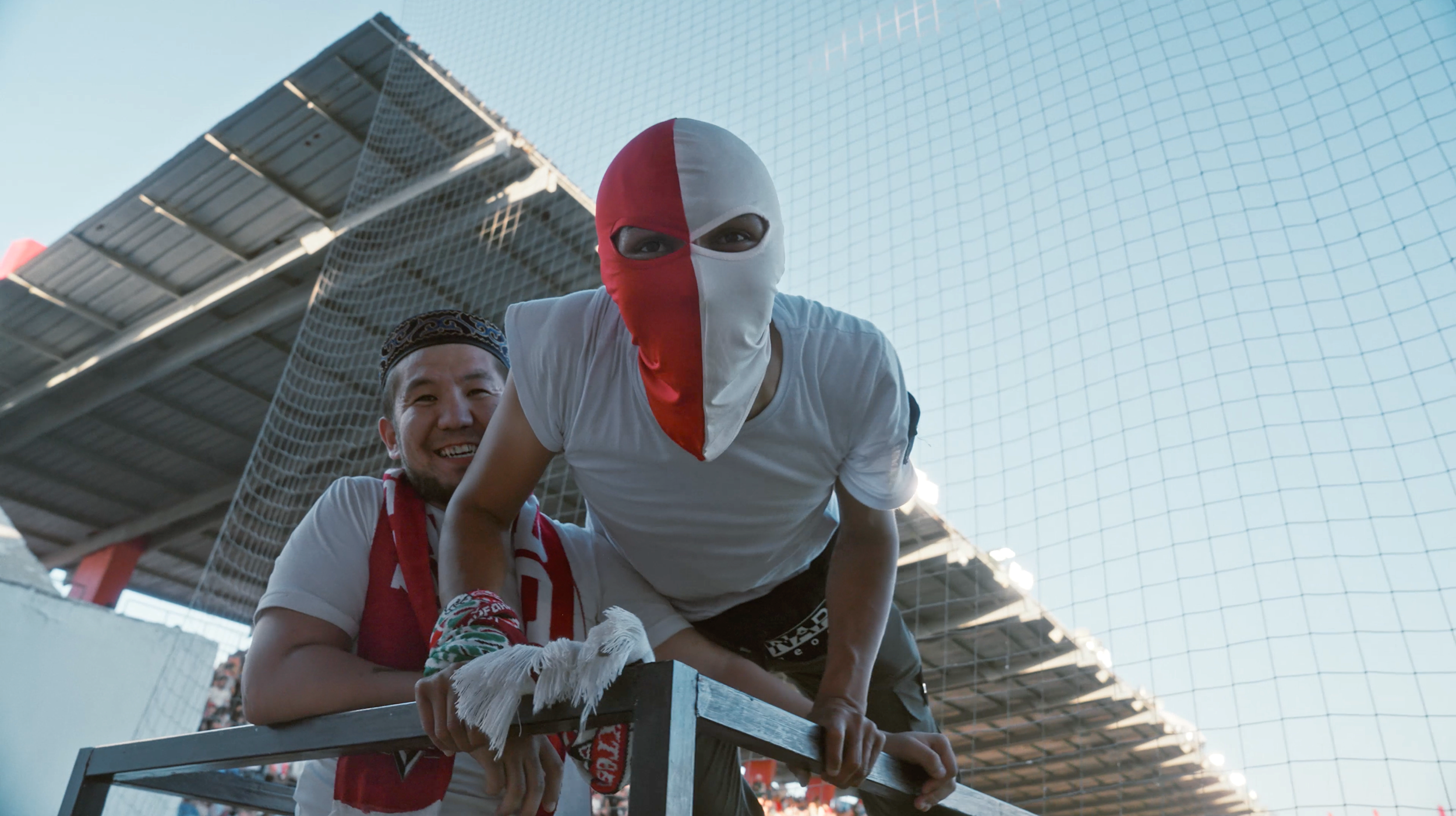
All images courtesy of Away Days.
Kazakhstan is one of the world’s most sparsely populated countries. Much of its terrain consists of vast plains, sprawling mountain ranges and dense forestry. And in faraway corners of that varied landscape, you’ll find one of the fastest growing and most feared hooligan movements anywhere in the world.
Some five decades and almost two continents separate the birth of hooliganism in England from its rebirth in Kazakhstan. The emergence of this new scene, every bit as dedicated and violent as that which preceded it, is the subject of a new documentary film from Away Days, the independent media outlet of journalist Jake Hanrahan and videographer Jonny Pickup.
With their usual, unapologetic approach to their subject matter, Away Days’ adventure into underground Kazakh football culture is an eye-opening exploration of community, violence and even national identity.
The film takes root at the epicenter of the movement, around 100 miles from the Russian border, in the northwestern city of Akotbe. There, Hanrahan and Pickup were given unprecedented access to film and follow the country’s most notorious hooligan group, Thirteen Sector, an umbrella organisation comprising at least three separate ultra firms.
With rapid growth over the past decade and a half, the influences on the Kazakhstan’s ultra groups are a unique hybrid of imported iconography and local heritage.
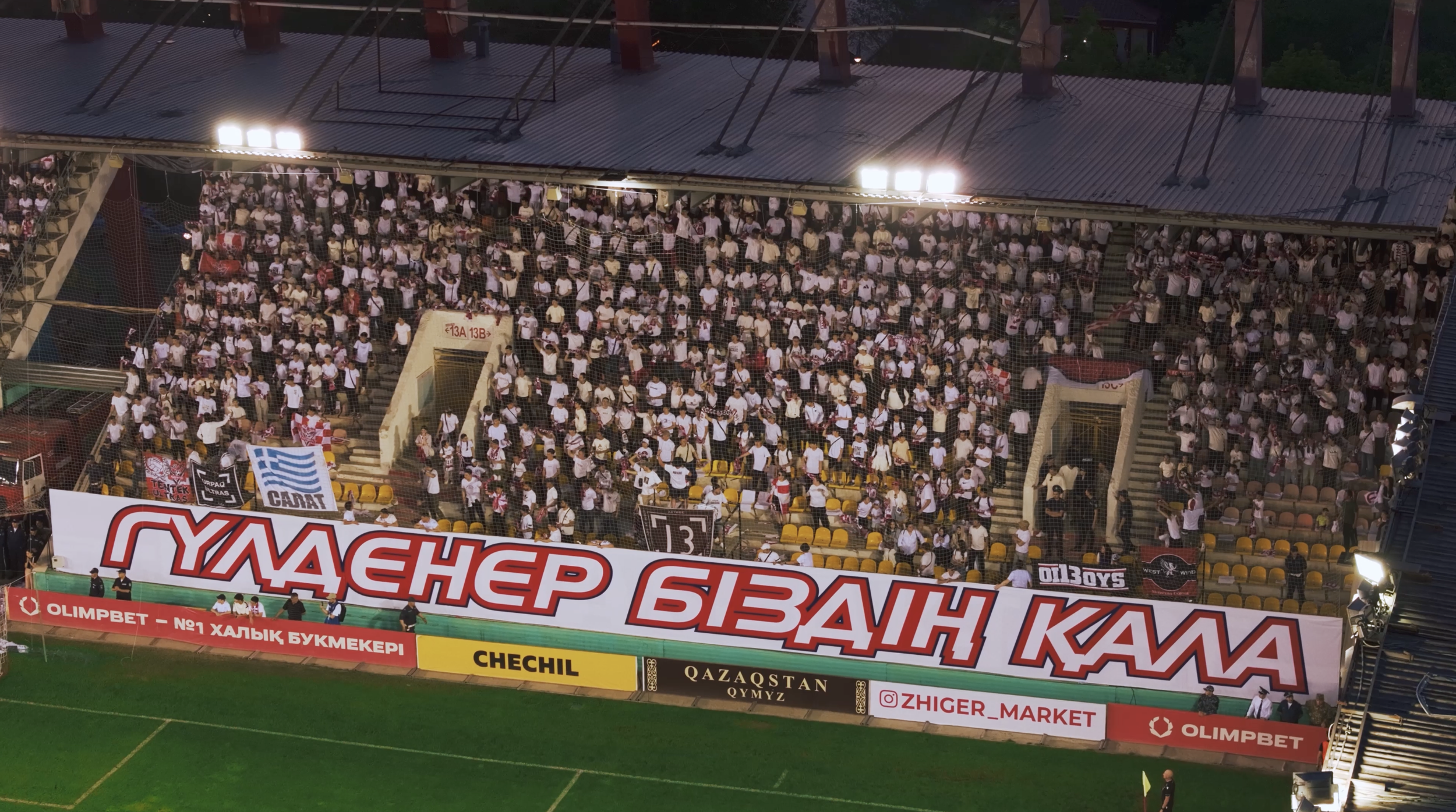
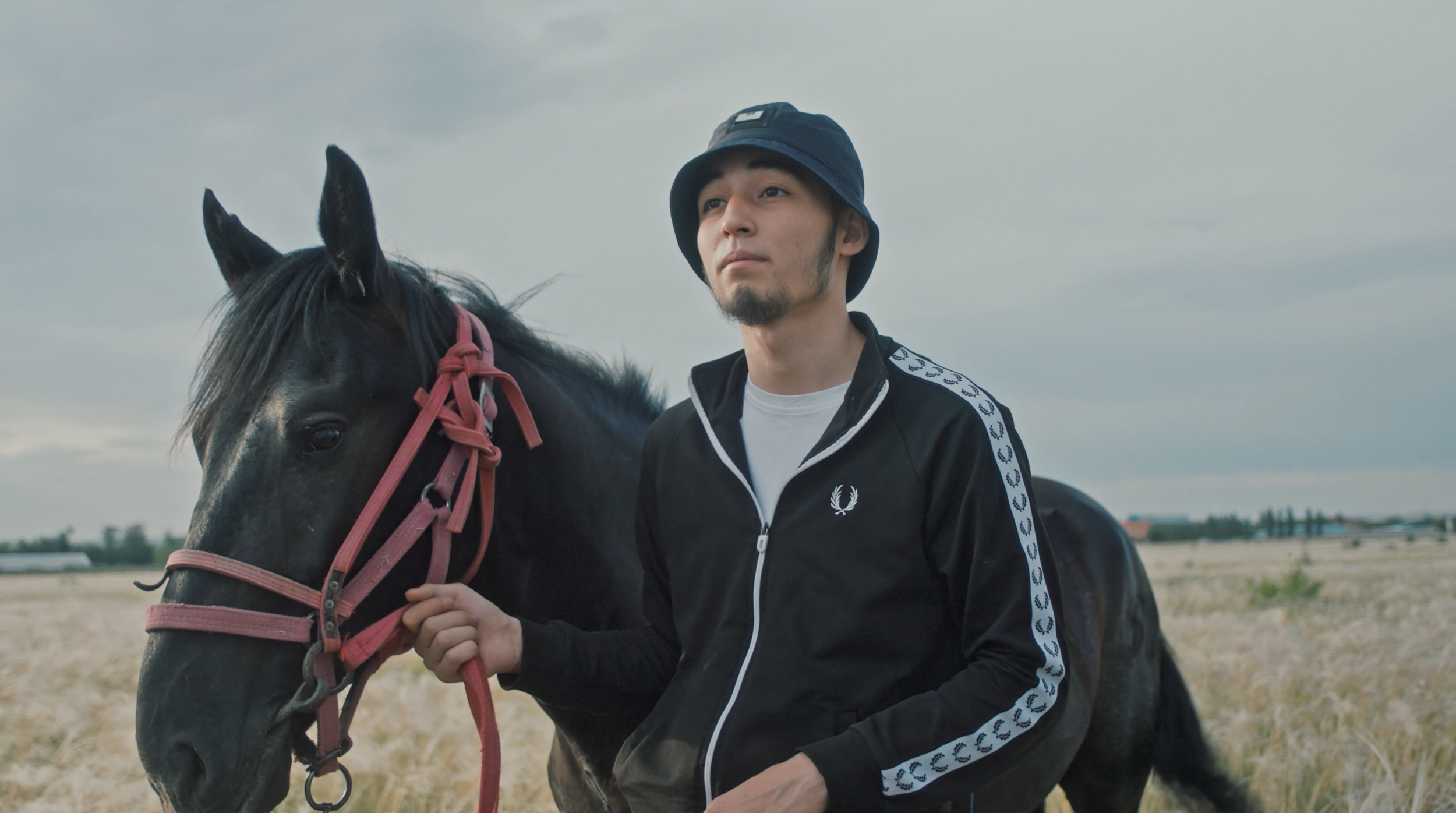
“It feels out of place,” says Hanrahan, as we caught up to discuss the film. “These lads are incorporating the European style, the British style, but also keeping it very Kazakh.”
Coordinating displays, transporting banners and other paraphernalia, and arranging travel and stadium access is all part of the unseen admin that goes into being a serious member of an ultra group like Thirteen Sector. But the documentary’s focus lies primarily on a subculture within a subculture, one which is an increasing rarity in western Europe: forest fighting.
It’s prearranged, skilled combat, pitting one teams’ hooligan group against another, almost always in secluded areas of the Kazakh wilderness. There are rules: no weapons, shake hands, de facto referees step in to determine a winner. As anachronistic as it sounds, there’s a respectful element to the whole ritual. “It’s not about throwing chairs into windows,” Hanrahan explains. “It’s almost about reclaiming land… there’s a spiritual element to it, it’s like a primal return to nature, even just for 10 minutes.”
“What we do is an honest thing,” Farkhat, the leader of Thirteen Sector, explains in the film. “Afterwards we help each other up, and go have a beer together.”
While there are some political elements that permeate the scene, particularly those of a far-right persuasion, it’s not as prominent as other European ultra movements, and Thirteen Sector is characteristically apolitical.
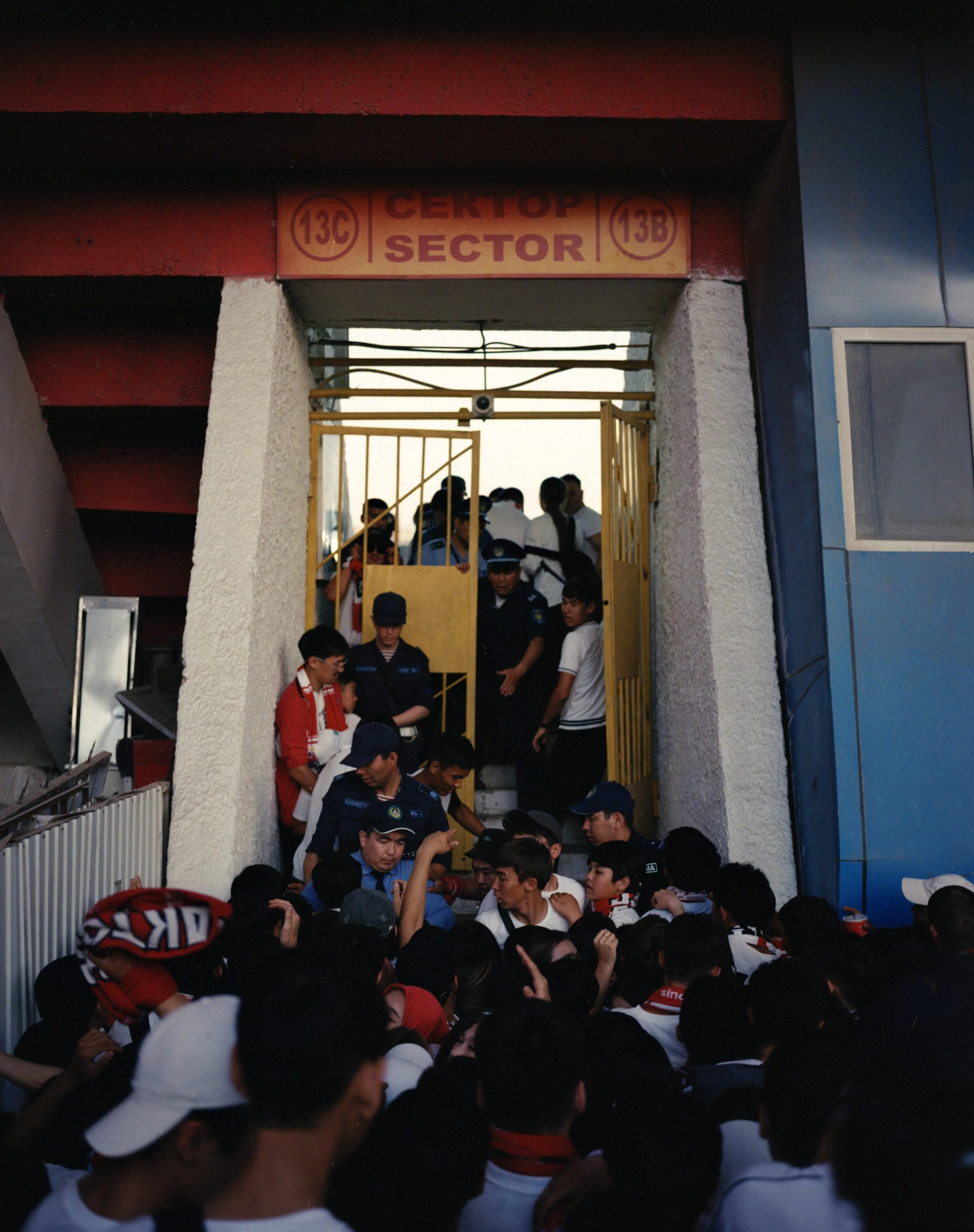
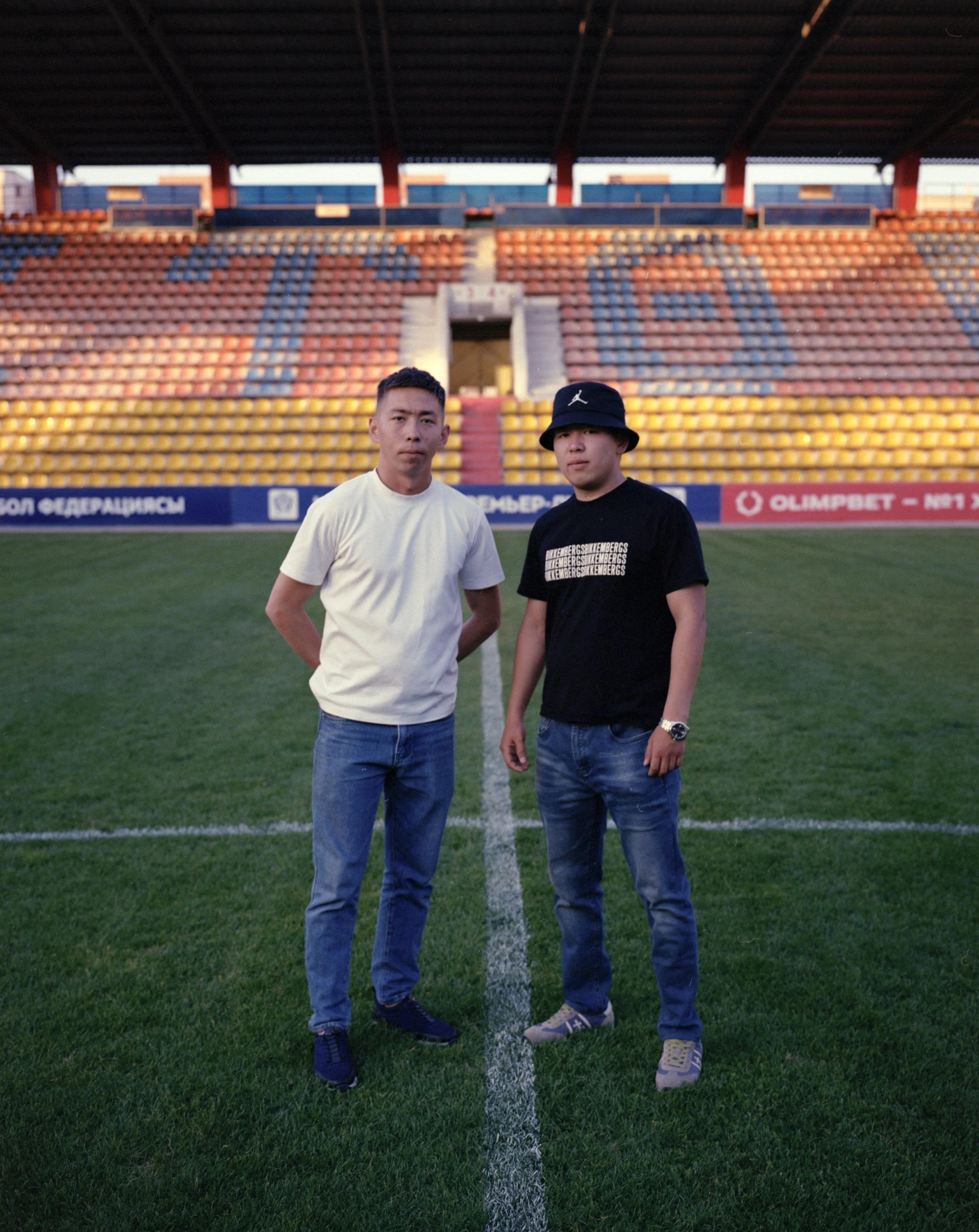
What binds it together is its simplicity. There is nothing performative about being a forest fighting football hooligan; you know exactly who you are. In a complicated world, Hanrahan points out, “there’s a strange comfort in knowing that, and not having to explain it to anyone. It’s one of the final scenes where the internet and social media is actually not a big part of it.”
The scarcity of footage, particularly of the forest fights themselves, whilst it gave the Away Days team a production headache, is illustrative in its own way. “There’s a general rule that 10 years have to have passed before fight footage can be shared anywhere,” he explains. Not only does the rule keep the circuit closed, but it’s another example of disciplined discretion — vital for the survival of any underground culture.
The most absorbing element of this story is its backdrop. A majority Muslim country that once comprised part of the Soviet Union and long before that the Mongol Empire, modern Kazakhstan remains socially conservative and always culturally complex. “The government isn’t exactly chill, and they know they’re taking quite the risk in that sense,” Hanrahan says. “It’s about as much a counter-culture as you could possibly create.”
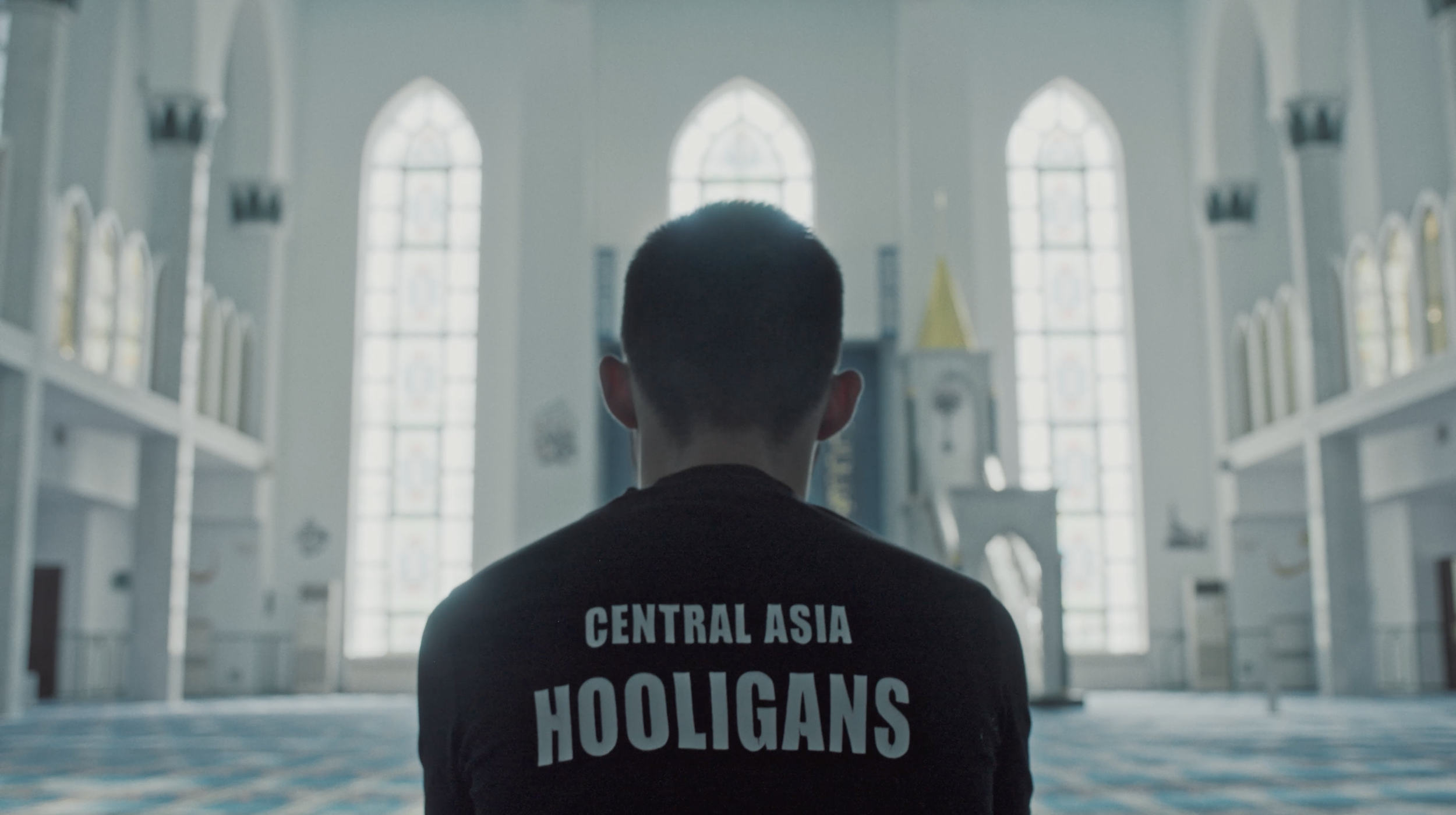
Reconciling a willingness to engage in recreational violence will be too tall a task for most people. To do so in a country like Kazakhstan is especially contradictory. But as the film points out, in spite of (and in some cases because of) the violence, the hooligans of Thirteen Sector find solace in the process as much as the outcome.
It’s a sort of ritualistic calling, a depth of community and connection that could perhaps only exist outside of the confines of an ordinary life. It’s the same reason English hooliganism became so intoxicating to some in the 1970s, and why it spread across the world.
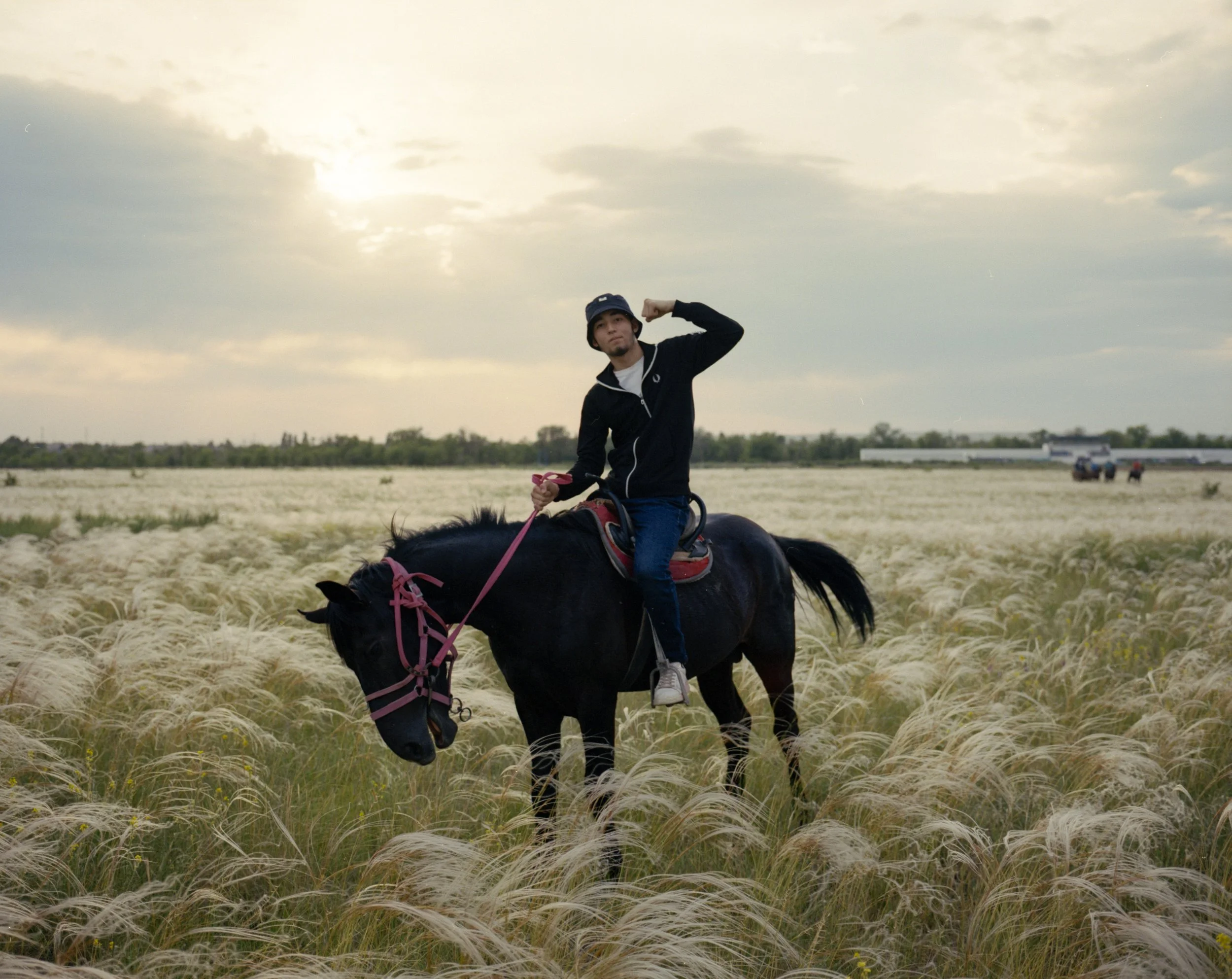
“We’re good people,” Asmir, a member of Thirteen Sector group Urpaq Ultras, says. “We help each other. It’s like my second family.”
Hooligans, ultras, firms. In the world’s wealthiest footballing nation, where the early embers of these movements first sparked, these are largely relics of a bygone era. A barely comprehendible phenomenon, by today’s standards. And yet, over 3000 miles away, that ideal remains the lifeblood of a thriving subculture that is, all the same, distinctly Kazakh.
Thirteen Sector: Inside Kazakhstan’s Underground Hooligan Scene is available to watch now on YouTube.
Watch the uncensored version on Away Days TV, and follow the independent reporting of Jake Hanrahan, Jonny Pickup and Away Days on Instagram.