
Old faces, new details: TCD meets Maurice van Es
“I walked into his house and it was the first thing I saw: Zidane’s headbutt. He (Peter Schols) took this famous picture!”
As far as one could be, Maurice van Es is well accustomed to a chance encounter. The Dutch artist, filmmaker, archivist and documentarian has spent the best part of a decade in the company of some of European football’s most sublime photographers – almost by accident.
Since 2019, his most prolific publishing vessel has been Scanned Football Photos. It's an ambitious and increasingly important project, immortalising moments of football culture that predate the smartphone era in a way that rises above the modern game’s fetishisation of nostalgia. He collates, scans, visualises and categorises an eclectic array of themes, paying special attention to unique details, either in the crafting of the photo or the depth it adds to the core subject matter. From the vibrancy of 90s commercials to towering icons like Marco van Basten, Maurice’s work acts as a physical conduit between two unimaginably different eras.
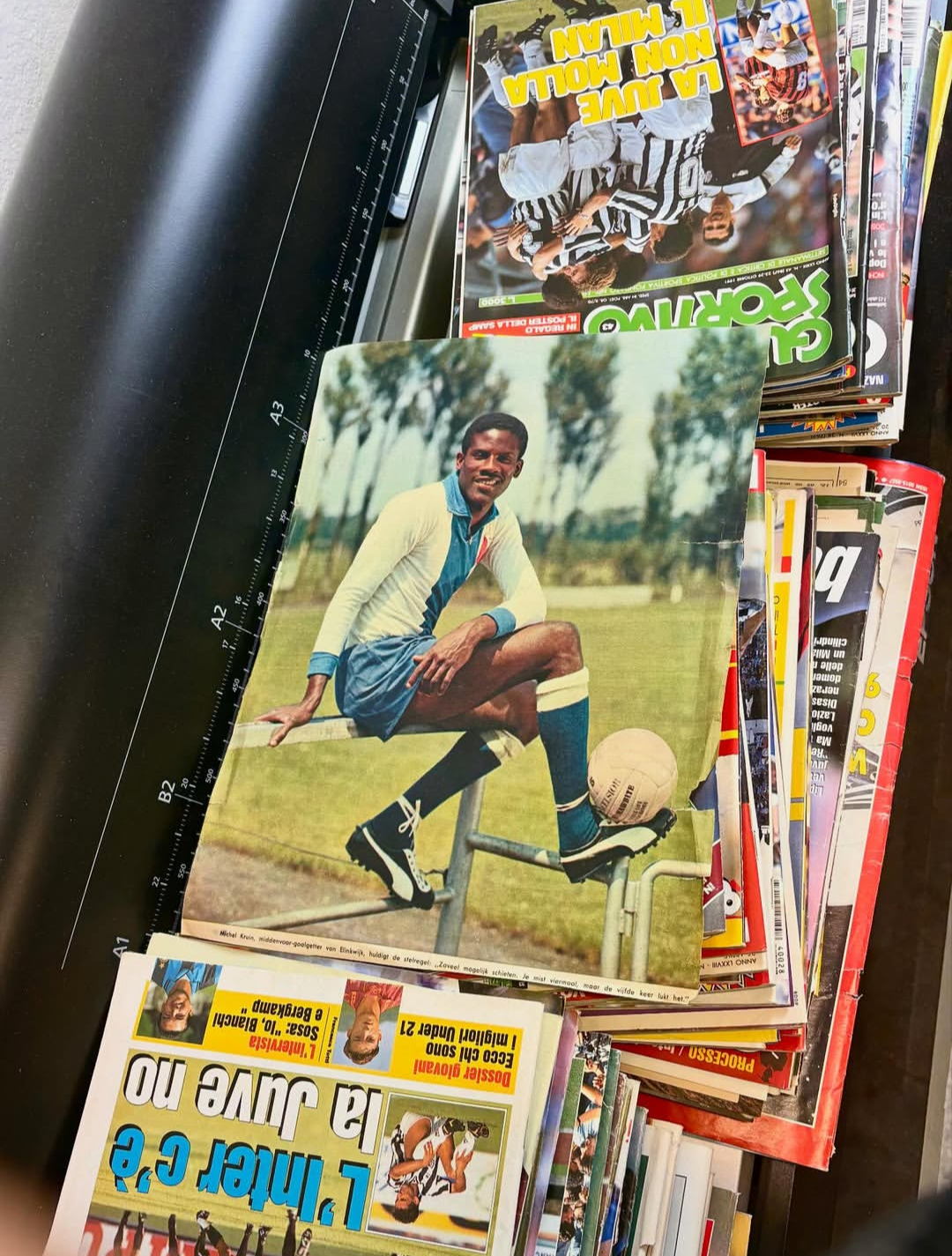
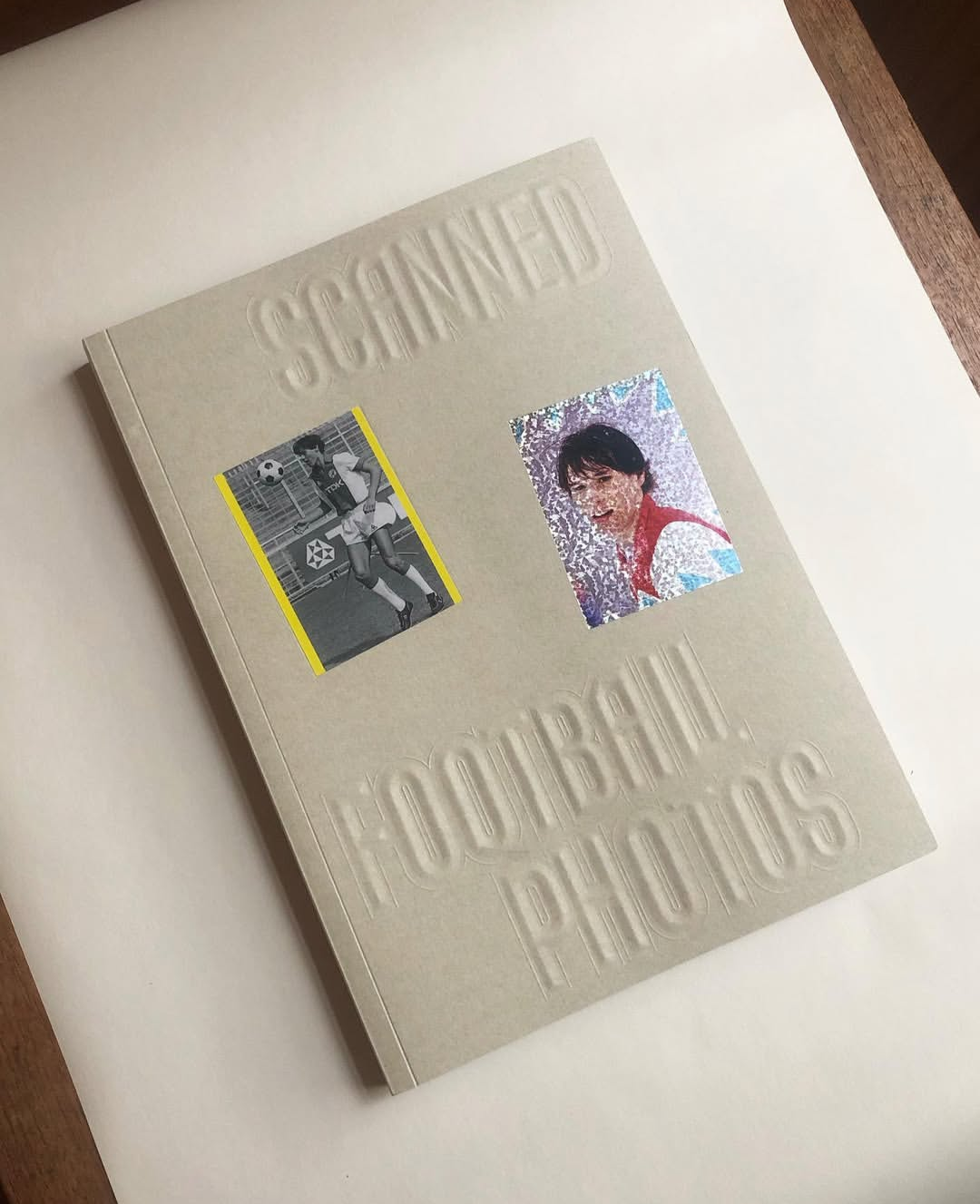
It began with a chance encounter, and a pile of old magazines.
“I started out making books of people’s homes. When they move out, or somebody dies, I photograph everything – the door handle, the view from the kitchen window. It becomes a memory document of that place,” Maurice explains, mapping out the journey of his Rooms of Now project.
“I’ve made almost 60 now, mostly in The Netherlands, Amsterdam, Rotterdam… but also in England, Paris, Tokyo, Basel and one in New York.”
“And then one day, in 2019, while we were making one of these visits, we found a pile of old Dutch football magazines, and I couldn’t believe what I saw! The photography was beautiful and the interviews were so real. Everything was so pure.”
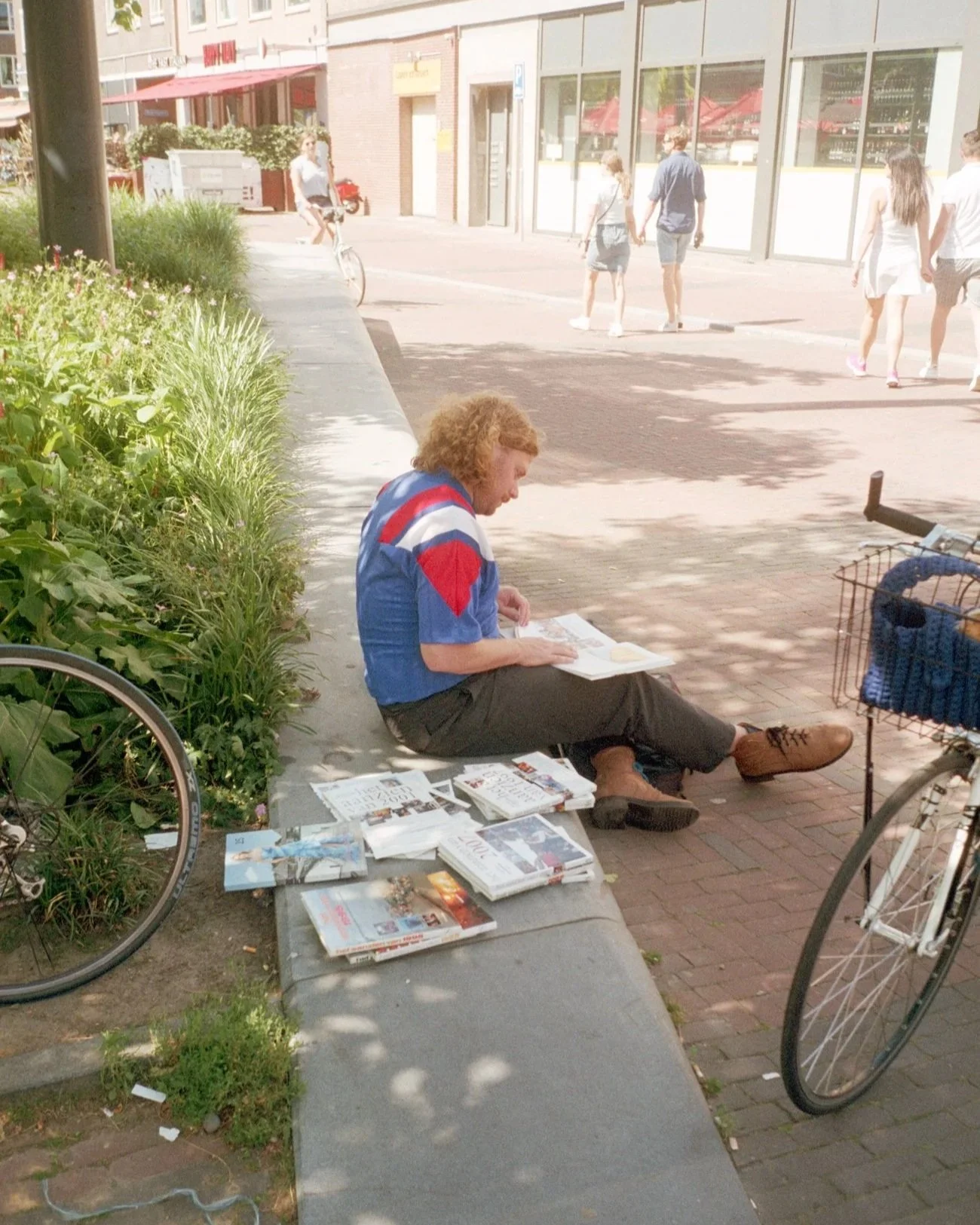
Photo by Luka Karssenberg.
He made an arrangement with the owner and hauled back hundreds of magazines to his house. It wasn’t long before that initial find grew into an obsession that engulfed him and his girlfriend, Luka Karssenberg, in some cases literally. “We had just moved into our house in Rotterdam, and soon the place just exploded with magazines everywhere.”
After two months of collecting, cutting, categorising and dividing, other publishing commitments forced Maurice to put it on ice. That was at least until the pandemic, when he began sharing his finds with the relatives and players in the photos. AC Milan’s Marco Simone, Feyenoord cult hero Mike Obiku, the son of Edgar Davids. Interaction with Maurice’s scans, at the time a totally new concept in the football photography space, continued to grow.
“At the same time, normal people were reflecting on it. They all had their own unique memories of that particular player, that particular moment,” Maurice explains.
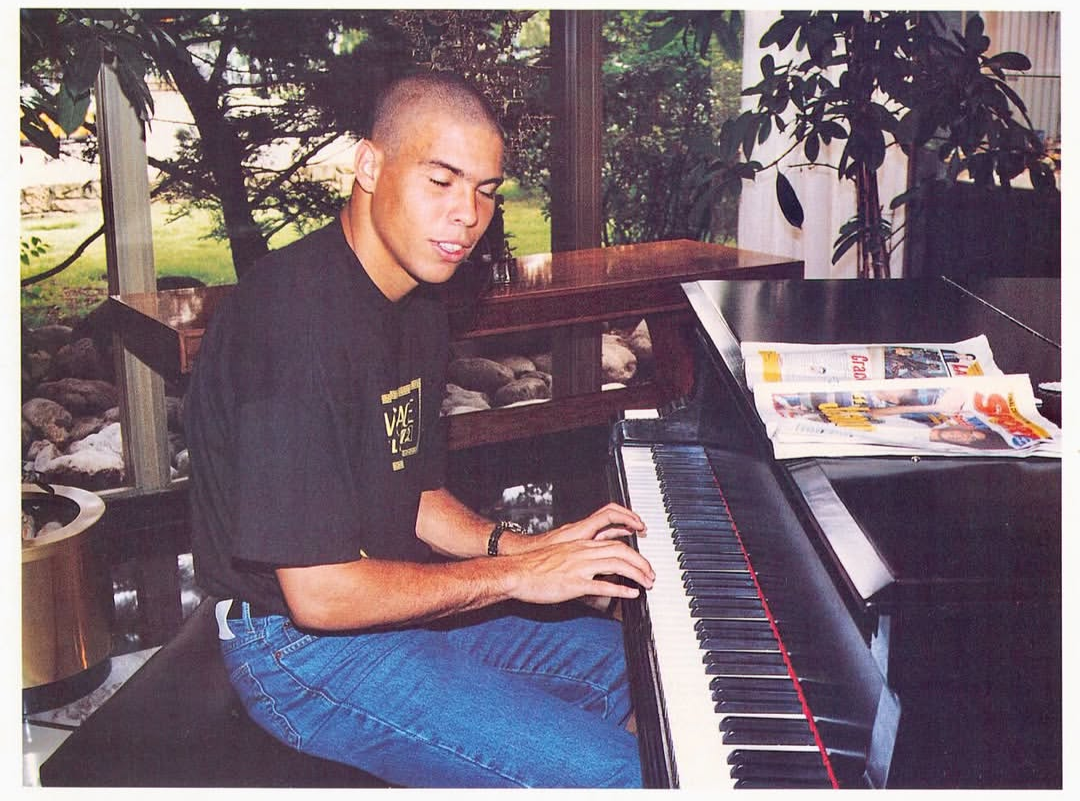
During a time of heightened emotional sensitivity, for some people, those memories took on a much deeper meaning.
“There was a guy who sent me a very emotive message,” Maurice explains. “There was an image I shared of Nwankwo Kanu, which reminded him of a specific time where his parents recently broke up and he felt solace watching Arsenal with his mother, at her place. It was teleporting people to moments frozen in time.”
As Scanned Football Photos morphed from an Instagram page to an artistic project, Maurice’s archive continued to grow. “People were saying, ‘hey I have these old magazines too, can I bring them to your studio?’”
His work took on a wonderful synchronicity, as random magazine clippings opened new conversations, which led to new finds, and new niches to explore. It transformed what he describes as the “flat, hollowed out experience of the internet” into something tangible. “I would go on cross country trips with my Dad or girlfriend to pick up boxes of magazines. We almost had a car crash one time because the car was so full!”
With around 16,000 scans in his collection, the task of properly archiving became all the more critical. By his own admission it took him a while to correct and refine the process, but he’s confident it’s worth the extra effort. “People aren’t aware of how special this will be in the future.”
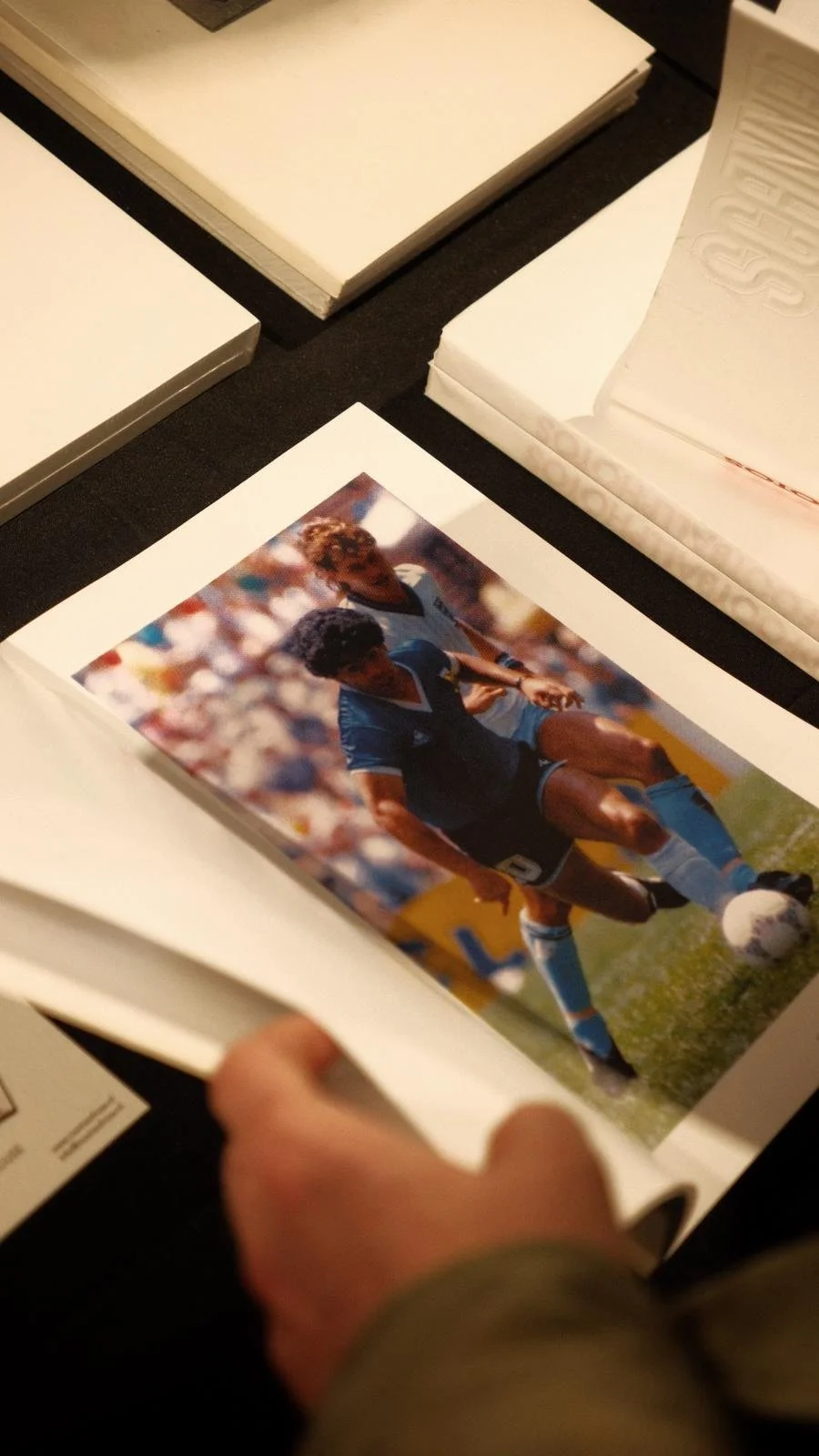
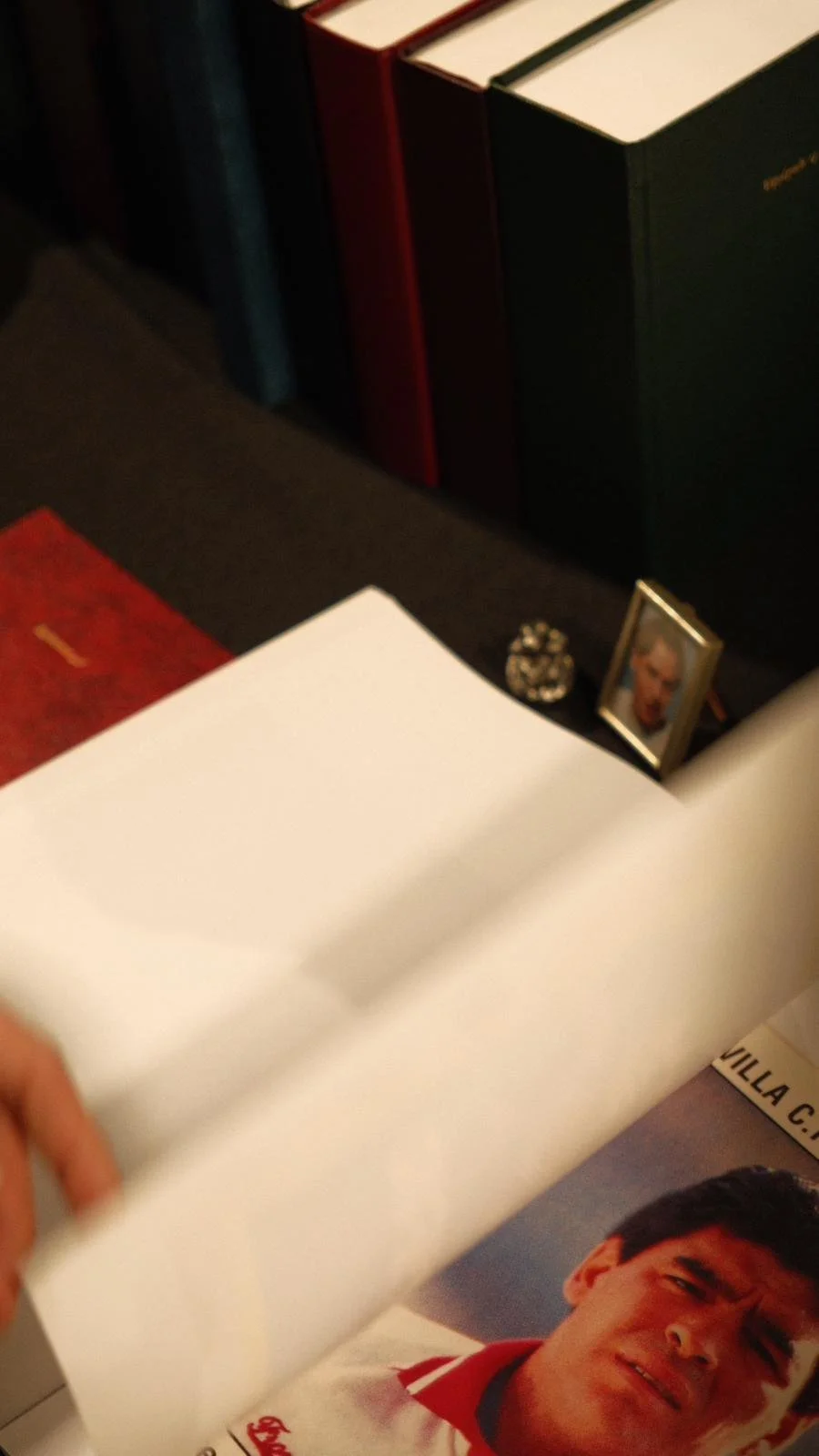
But it’s not just his books, which number almost a dozen now, including those in progress, that have revived these moments of footballing history. Every scan, interview and clipping unearthed by Maurice has its own backstory. His vast archive has become an exercise of documenting those who documented. In doing so, he’s also evoking the spirit of a time when journalism as a profession was almost incomprehensibly different.
“These photographers…” he ruminates, smiling warmly. “They all have beautiful stories, like how they’re just hanging out with the players and their families, or they’re invited to stay for the night, or to a party. There was a slowness to everything. That made me love it even more.”
As well as interviewing some of the Dutch photographers as part of his podcast, it’s clear that Maurice does this to learn not only about the subject matter, but also as a student of the photographers themselves – as subjects in their own right. “These guys are like 60, 70, 80-years old. We cannot understand the kind of changes they’ve seen.”
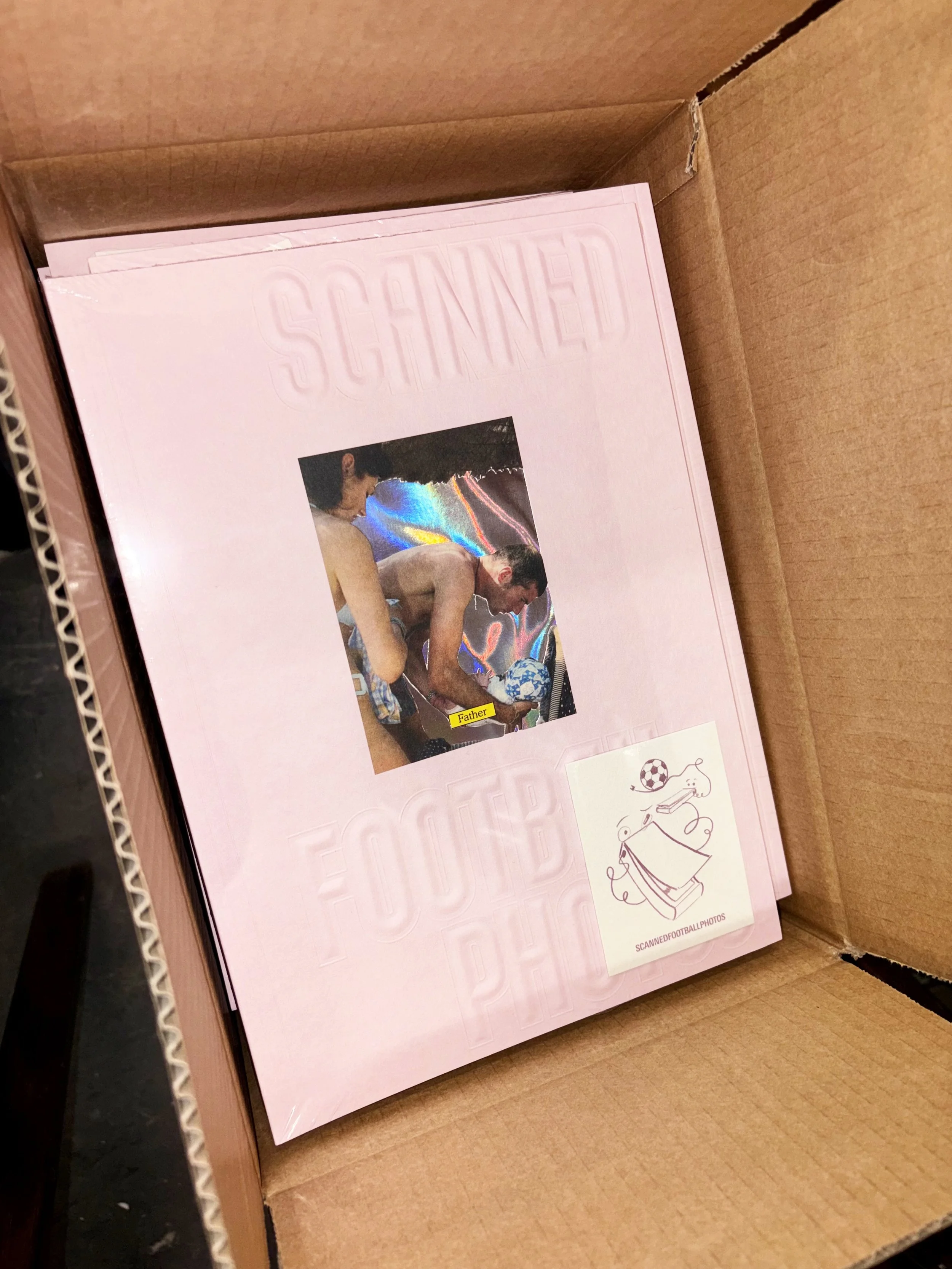
Maradona and Father are the latest releases from Scanned Football Photos. They’re a testament to the strength of both Maurice’s archive and his vision as a storyteller.
As we discuss the complicated history of Maradona, Maurice speaks with a level of empathy.
“Maradona lived so many lives at the same time, which also made him the ultimate individualist,” he says. “There’s an entire chapter of the book dedicated to him cheating – in one way or another – to win. I think ultimately he did the best he could to survive.”
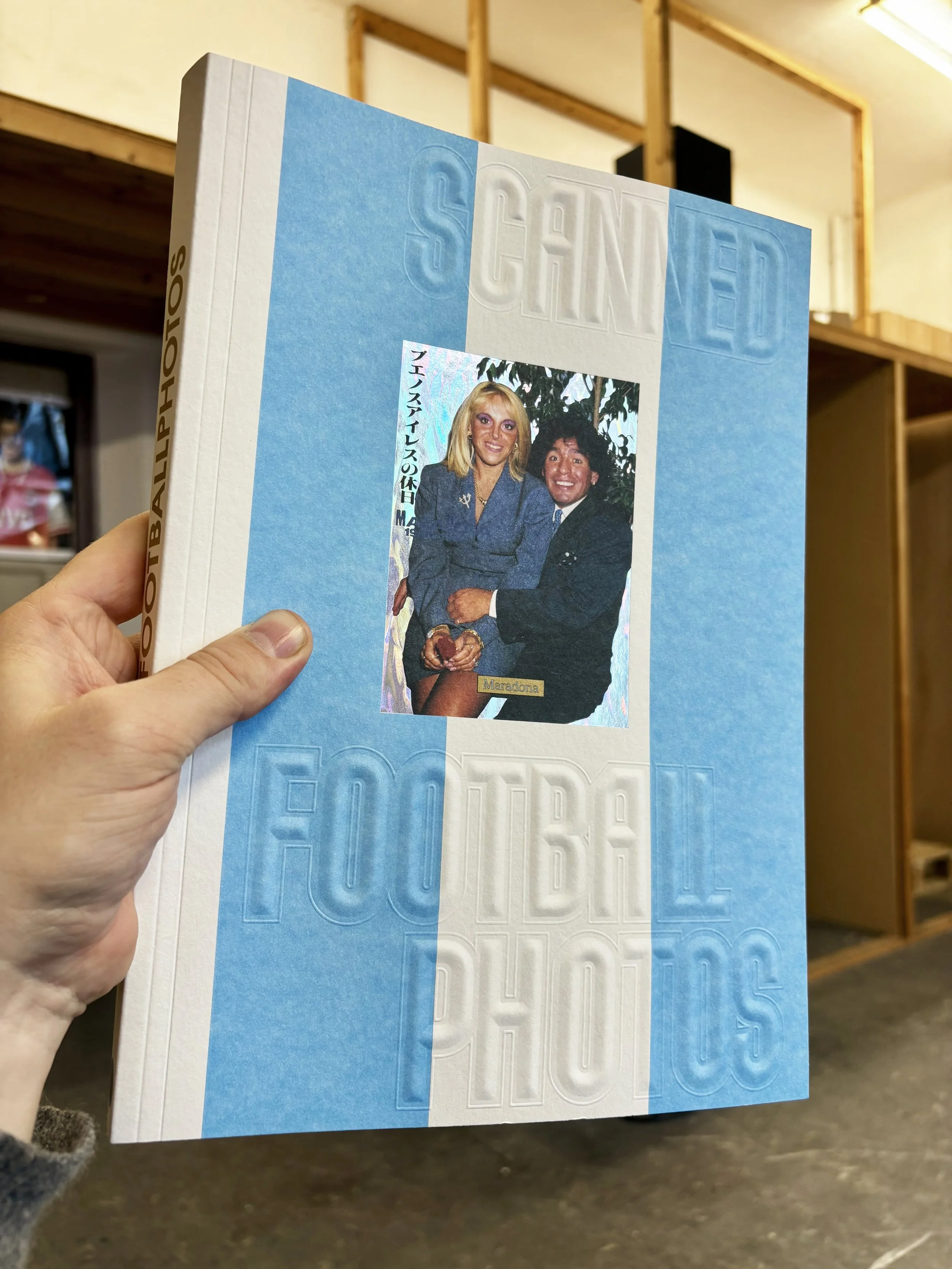
One wonders whether the intimacy of his work, peering through the lens of different vantage points and new perspectives, many of them half-formed or without the full context, means he’s able to learn about his subjects organically, building a picture over time.
It means he’s never anything less than reflective. Father is the perfect example. It comprises over 270 pages of footballers in their role as a father, or alongside their own.
“It’s a combination of stories… Asking about the decisions we have to make as fathers. We’re also doing the best we can, right? Which is how these two books go together.”
One might read his work to be a response to our overly digitised and overstimulated age. Intrigue and the unknown are largely unfamiliar concepts today. Cultural scarcity is no longer a plight of society. In 2025, it is possible to know more or less anything. But it still pays to slow down, to avoid chasing trends, to construct a vision according to instinct and spontaneity. In that sense, Maurice is perhaps best described as a photo historian. Old faces, new details.
“I guess I’m trying to preserve this last time where everything was still spontaneous, not so self-aware,” he reflects. “A last phase of innocence, almost.”
Maradona and Father are on sale now.
Learn more about Scanned Football Photos by visiting the website or Instagram.