
TCD meets Ultras Director, Ragnhild Ekner
Ultra.
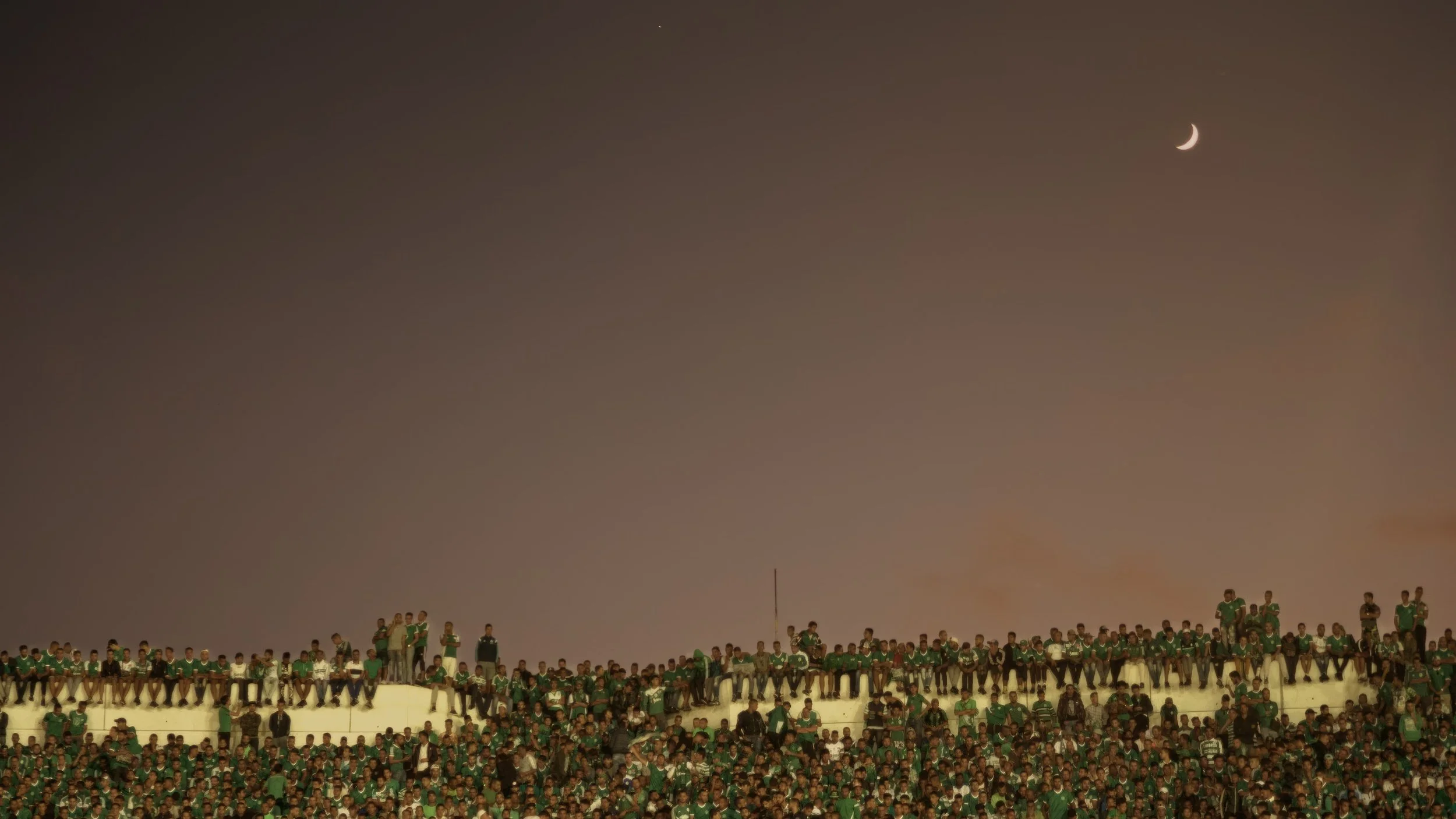
Derived from the latin adverb Ultrā, meaning to be beyond something or extreme, it is no wonder the word has come to identify those who take supporting their club to the next level.
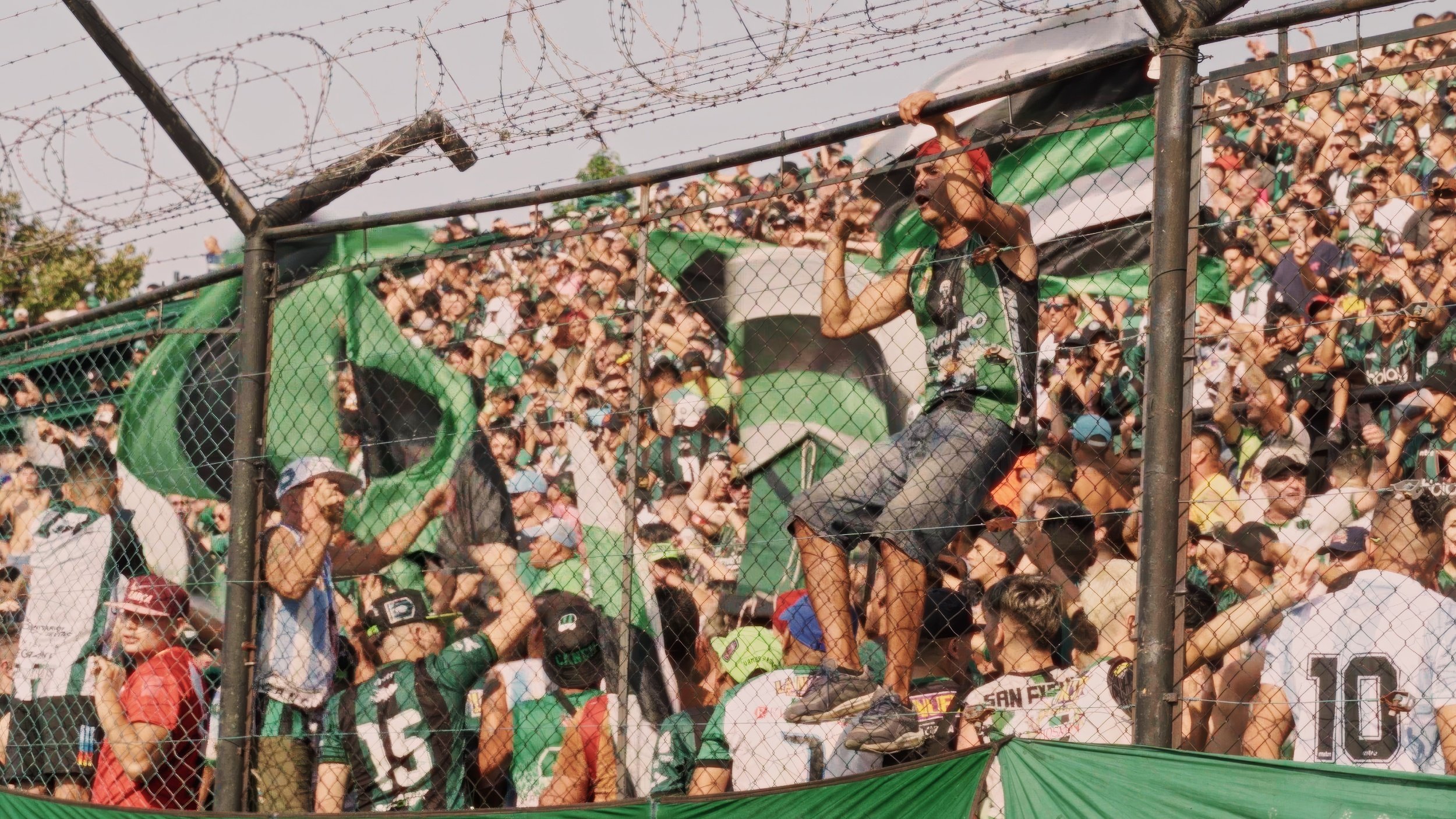
Pyro, tifo, flags, thousands of football’s most dedicated fans singing in unison - it’s all over our social media feeds.
Ultras culture is one of the biggest and fastest growing subcultures in the world today, yet they are widely misunderstood and misrepresented by those in power and the media.
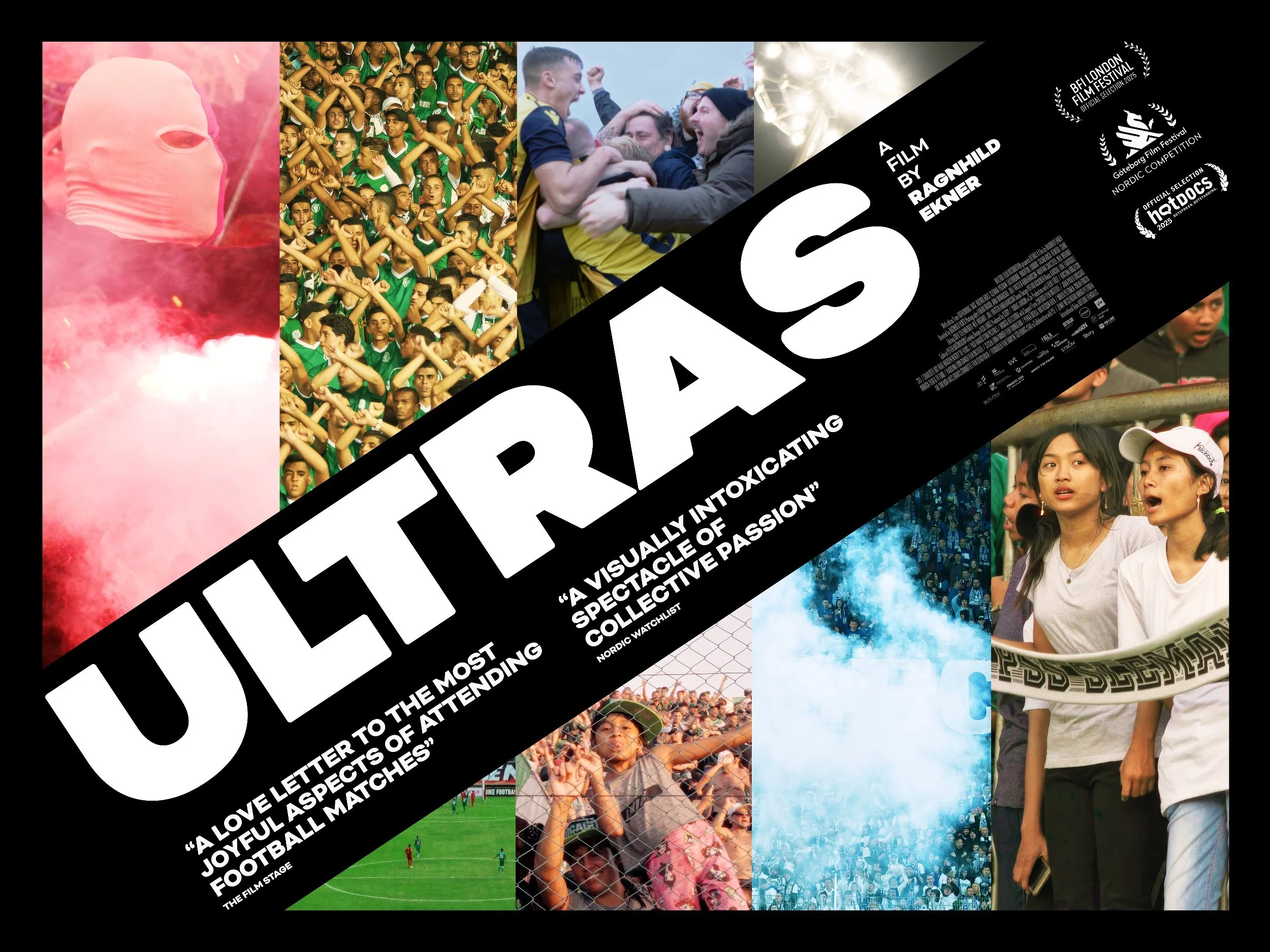
Who are the ultras exactly? That is the question Swedish director and filmmaker Ragnhild Ekner set out to answer with her documentary Ultras.
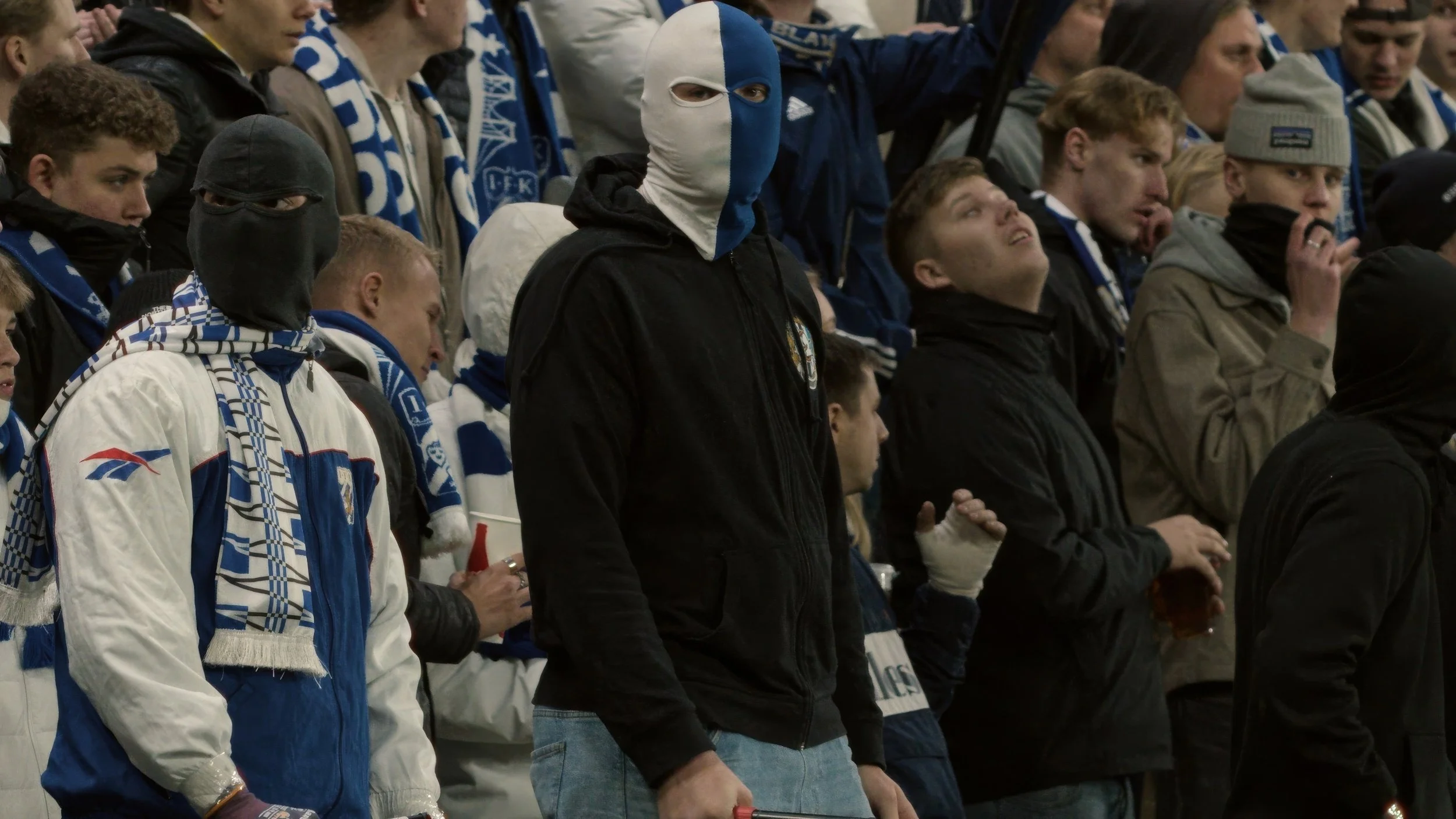
A member of the active fan scene at IFK Göteborg herself, Ekner travels to Morocco, Indonesia, Sweden and several places in between to explore the ultras scene and the characters who make it.
Ultras is out in UK cinemas now. It premiered at the Gothenburg Film Festival in 2025.
TCD: Why did you want to make a film about ultras culture?
Ragnhild Eknder: “Before this I made a film called ‘The traffic lights turn green tomorrow’ about a friend who committed suicide, and our time in grafiti culture as young people. That was a hard thing to make, I was working alone a lot and went in and out of depression.
“I gained so much energy going to matches and from my friends at the arena. I wanted to give that kind of energy that kept me alive during that time, a film for the people in the subculture. The media often depicts ultras or supporters as some kind of monsters or demons. But I saw something else in that subculture that carries many people through hard times in their lives. I just wanted to make a love letter to that energy.
“When you make a film, write a book, you make something, a document that is not going to die. In 100 years when people research this, this film could also be something to watch. I wanted to make my contribution.”
Can the scene continue to grow despite crackdown from authorities?
“As all cultures, this culture is always changing. As long as football exists, there will be culture around it of course. It’s impossible to predict how ultras culture will develop.
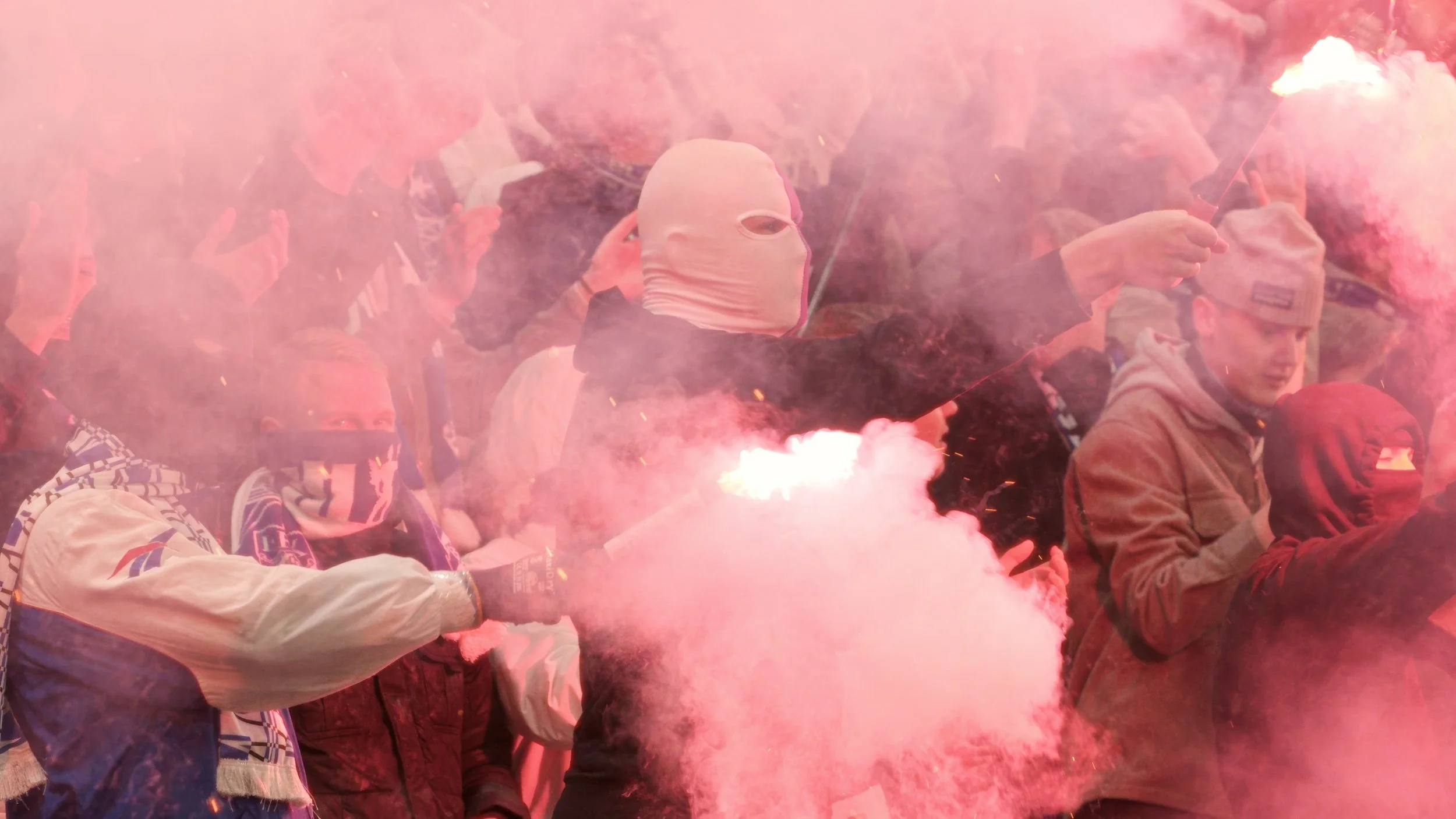
“I see repression and commercial pressures as the two biggest enemies to ultra culture. Those enemies also give the culture some kind of energy, and having a common enemy gives some kind of energy. It’s kike a cat and rat game.
“In Sweden the scene is growing really fast right now. The police are quite scared of it because there aren’t any collective movements that are so big and gather so many young people who don’t want to obey. That’s scary for the law, anywhere in the world.
“There is potential and hope in that, because there needs to be groups like that to balance the state and the power. I think things like that will continue to grow when oppression, government or power gets bigger and bigger. There will be opposition to that.”
The ultras scene in Italy has influenced supporter culture around the globe, but can it survive supporter travel bans and restrictions on flags and banners?
“I am scared that repression will affect ultras culture in other parts of the world in the same way as in Italy. It’s a sad development and takes a lot of the good things out of it, and what’s left is the people who don’t care if they are labeled as criminals. Then the culture gets more closed, and I would like for it to stay punk and open, somewhere for young people to find their family and place on earth.”
Early ultra groups tended to be apolitical, but many today are overtly political. Is there a place in the scene for politics?
“In Sweden we have a common agreement to not have politics in the stadium at all. For me that’s the best way to approach it, because then the culture can do what it is supposed to do.
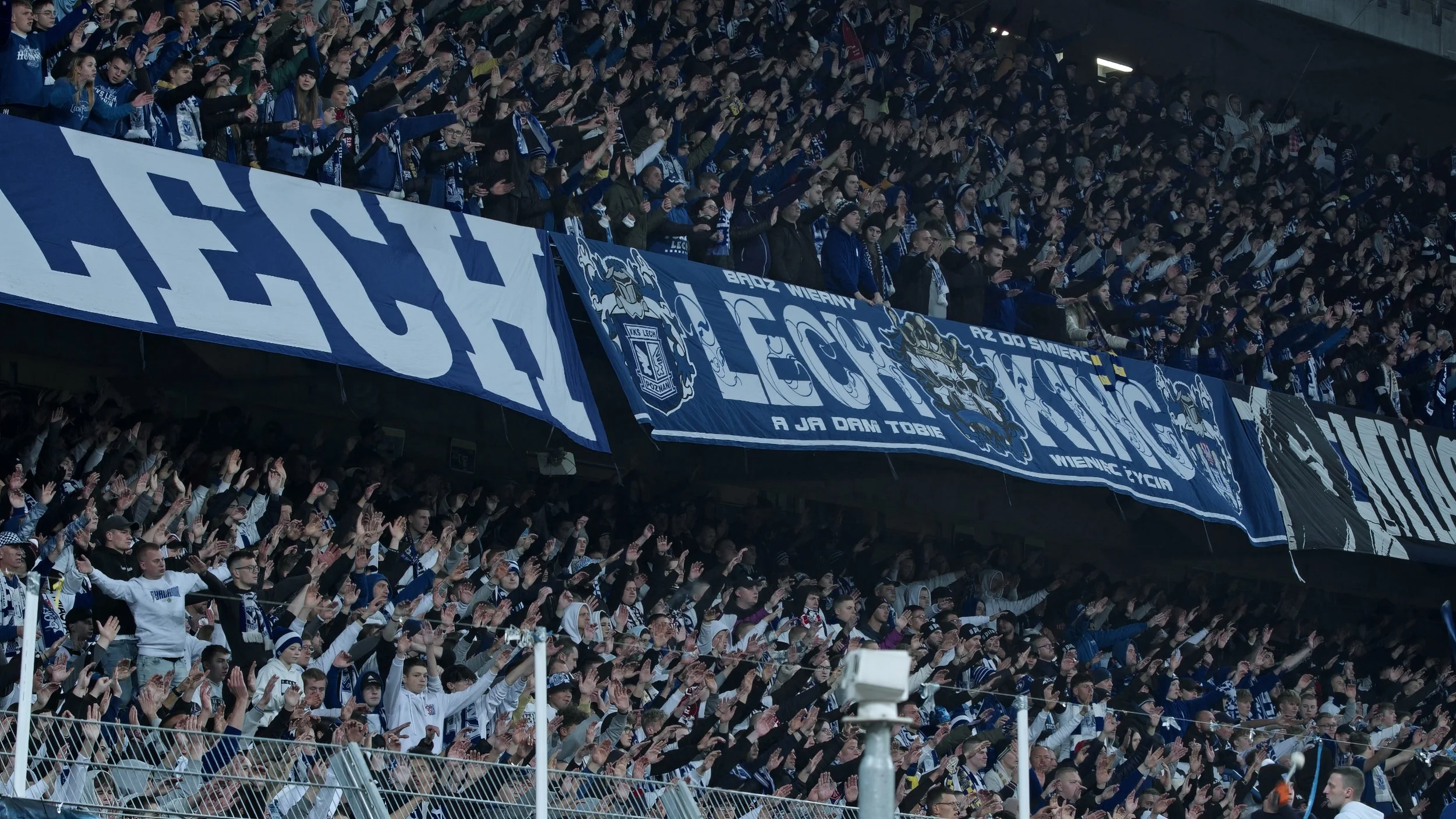
“The world is so polarized now. The stadium is the only place where I might be friends with a young lad from a suburb of Gothenburg that I wouldn’t have met anywhere else. I think politics can stand in the way of those kinds of meetings.
“Ultras culture is a reflection of society, so what you find in the rest of society you also find in stadiums. But I don’t think there is any palace in society that is as good at working against polarisation - the left and right wing are there in society, but they can meet in the stadium and understand each other, that we are all human beings.
“That’s an important thing about just being at the stadium, to have the physical experience of being a part of a big humanity. I think that is something we all miss, that feeling is above left or right wing politics. It’s the meaning of life somehow, to feel connected.”
Did you have any surprising or eye-opening experiences while making the film?
“I thought it would be a problem being a woman and making this film, that it would affect the process when travelling to certain countries or areas. I was totally wrong, it hasn't been a problem at all and never felt unsafe. People everywhere understood I was the director, the boss, and treated me like that. That was eye-opening.
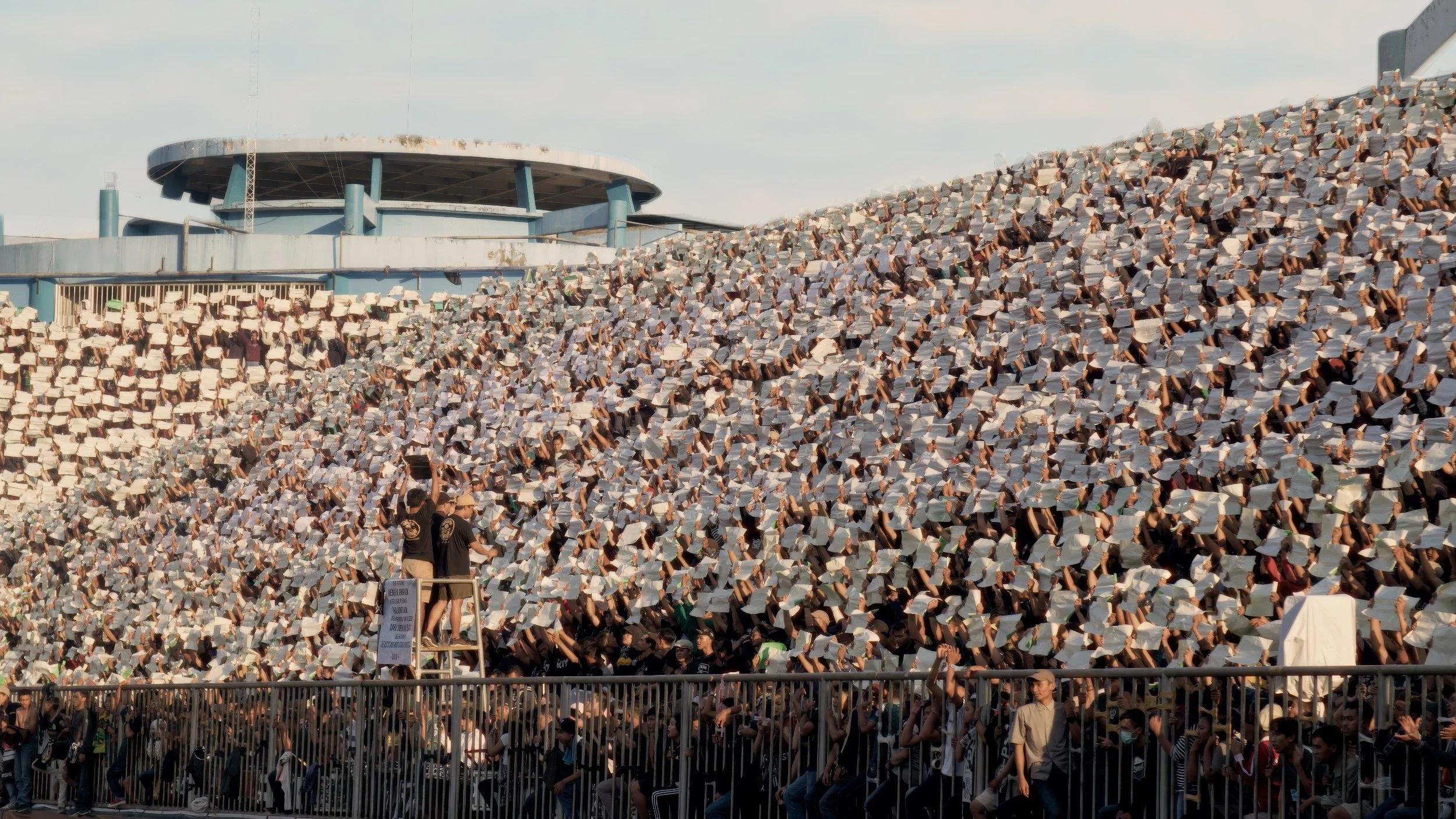
“Before making the film I didn't know ultras was such a huge phenomenon in Indonesia, and that women are such a big part of it. That was what I wanted to portray in Indonesia. It was fantastic to see that.
“I wanted to make a young polish ultra be able to identify with an Indonesian woman - we love the same thing, the same euphoric feelings when our teams score. That’s what I wanted to do with the film.”
Ultras are usually wary of speaking to media. How did you get in contact with them and earn their trust?
“It was a lot about just going for it. I often started contact with ultras groups on social media because many groups have their own sites on Instagram and Facebook.
“My first trip was to Morocco, but we didn't have any contacts for ultras or access to games or arenas. I had one contract, a friend’s cousin, he wasn’t an ultra but he knew some English and liked football. That was all we had.
“Going to Morocco with only that was so naive. A lot of the process was me being naive and curious and just going for it. But when we came to Morocco somehow he spoke to someone who spoke to someone else, and suddenly we had access to a few games and interviews with several ultras.
“Maybe it helped me being a woman - people saw me and just wanted to help, maybe they saw I didn’t want to do anything bad and that I loved the culture. I think they noticed that. It’s important that I knew the subcultural codes, that helped a lot, in many ways I could prove I was part of the culture myself.”
The stigma left by hooliganism and the repression of football fans that followed has made it difficult for an active supporter scene to flourish in England. Can that change?
“If you want, it’s totally up to you! That’s the core of the culture, it’s DIY culture. English and British football culture influences football and ultras culture all around the world. Cultures influence each other back and forth.
“Nothing ever stands still, so of course something will develop in the UK, but I don't know what. It’s up to the citizens.
“I love British football culture - the humour, the spontaneity, I really like going to football in the UK. I have never been to a Premier League game, but the lower leagues.
“You don’t have any tradition of fans owning clubs. You should have that, it’s important, but it’s far away from the British DNA.”
Ragnhild Ekner is a director and co-owner of production company Story. She lives in Gothenburg, Sweden.